
Understanding GRP Grating
What is GRP Grating?
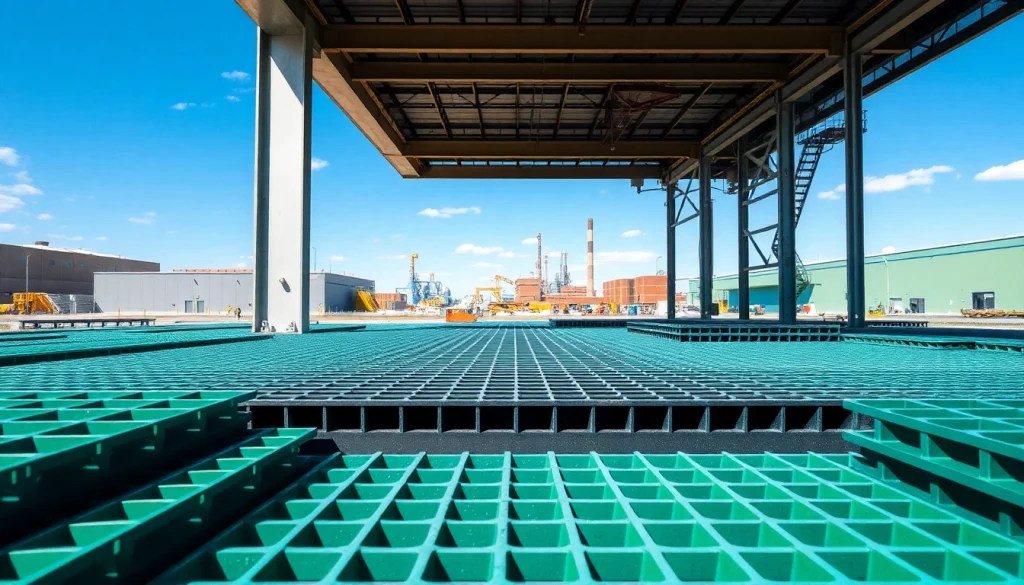
GRP (Glass Reinforced Plastic) grating is a durable flooring solution made from fiberglass and resin. It is recognized for its strength, lightweight properties, and resistance to varying environmental factors. Unlike conventional materials like steel or wood, GRP grating does not corrode, making it ideal for both indoor and outdoor applications. Its manufacturing process typically involves pultrusion or molding, resulting in a product that can withstand heavy loads while providing excellent safety benefits.
Applications of GRP Grating
GRP grating has a wide range of applications across various industries, including:
- Industrial Settings: Used for walkways, platforms, and stair treads in factories and processing plants, it enhances safety by providing slip resistance.
- Wastewater Treatment: Its corrosion resistance allows it to endure harsh chemicals and waste materials, making it a preferred choice for treatment facilities.
- Marine Environments: GRP grating is commonly found on docks and pier structures due to its resistance to saltwater and UV radiation.
- Construction Projects: Used as flooring in both temporary and permanent installations, particularly where lightweight and strong materials are needed.
Benefits of Using GRP Grating
The advantages of utilizing GRP grating in projects include:
- Corrosion Resistance: GRP does not rust or degrade when exposed to harsh chemicals, ensuring longer service life.
- Lightweight: It is much lighter than steel, which reduces installation costs and labor time.
- Easy Installation: GRP grating is easy to cut and shape, allowing for quick fitting into any space or structure.
- Safety Features: With slip-resistant surfaces, GRP grating enhances safety in high-traffic areas.
- Low Maintenance: Unlike wood, GRP does not require regular painting or sealing.
Selecting a GRP Grating Supplier
Key Features to Consider
When choosing a GRP grating supplier, consider the following essential features:
- Product Range: A diverse selection of types, thicknesses, and styles ensures that your specific needs can be met.
- Custom Manufacturing: Ability to customize grating for unique applications can be crucial for specialized projects.
- Material Quality: Look for suppliers that use high-quality resins to ensure durability and performance.
- Certifications: Check for compliance with relevant industry standards and certifications, which reflects the supplier’s commitment to quality.
Evaluating Supplier Reputation
Reputation in the industry can significantly influence your decision. Here are steps to evaluate potential suppliers:
- Client Testimonials: Review feedback from previous customers to gauge reliability and service quality.
- Industry Experience: A supplier with a long history in the business is likely to offer better insights and solutions.
- Case Studies: Request specific case studies that demonstrate their capability to handle projects of similar scale and complexity.
- Support Services: Assess the level of customer service, including after-sales support and warranty offerings.
Importance of Compliance and Standards
For safety and efficiency, it is essential to ensure that your GRP grating supplier adheres to industry standards. Compliance with regulations such as ASTM (American Society for Testing and Materials) and ISO (International Organization for Standardization) confirms that the grating meets safety, performance, and environmental criteria. Selecting a supplier who prioritizes these standards can help mitigate risks associated with material failure.
Cost Considerations When Working with a GRP Grating Supplier
Factors Affecting GRP Grating Prices
The cost of GRP grating can vary based on several factors, including:
- Material Selection: Different types of resins and fiberglass configurations can affect pricing; high-performance materials generally cost more.
- Thickness and Size: Larger and thicker grates require more material, which impacts overall cost.
- Custom Features: Custom shapes or additional features like color finishes can lead to higher prices.
- Order Volume: Bulk orders may qualify for discounts, whereas smaller orders might have higher per-unit costs.
Budgeting for Installation and Maintenance
When budgeting for GRP grating, consider not only the purchase costs but also the costs of installation and maintenance. Installation may require specialized labor, which could increase costs, so it’s advisable to account for both materials and labor in your budget. Additionally, while GRP grating generally requires less maintenance compared to other materials, periodic inspections and cleaning might still be necessary, influencing your long-term budgeting.
Estimating Return on Investment
Calculating the return on investment (ROI) for GRP grating involves considering both the upfront costs and the long-term savings it offers. The durability, reduced maintenance costs, and safety benefits can significantly impact operational efficiency and costs. By calculating expected lifespan divided by total cost, including installation, you can better understand the long-term financial impacts of your choice.
Best Practices for Installing GRP Grating
Preparation for Installation
Proper preparation is critical for the successful installation of GRP grating. Here are essential steps to follow:
- Site Assessment: Conduct a thorough assessment of the installation area, including structural integrity and load requirements.
- Tools and Equipment: Ensure you have the necessary tools like saws, drills, and fastening materials ready before beginning the installation.
- Planning Layout: Create a detailed plan for the layout based on the measurements and desired configuration of the grating.
Safety Measures During Installation
Safety must always be a priority during installation. Implement the following measures:
- Personal Protective Equipment (PPE): Ensure all workers wear appropriate safety gear, including gloves, helmets, and eye protection.
- Secure Work Area: Keep the installation area clear of debris and other hazards to prevent accidents.
- Proper Lifting Techniques: Use correct lifting techniques and equipment to manage heavy sections of grating safely.
Post-Installation Best Practices
After installation, some best practices include:
- Inspection: Conduct an initial inspection to confirm proper placement and integrity of the installation.
- Maintenance Schedule: Establish a schedule for routine inspections and maintenance to prolong lifespan.
- Reporting System: Implement a reporting system for any damage or deterioration observed to facilitate timely repairs.
FAQs About GRP Grating Suppliers
What is the typical lead time for GRP grating orders?
Lead times can vary based on order size and configurations but typically range from a few days to several weeks. It’s advisable to check with your supplier for specific timelines.
Are there color options available for GRP grating?
Yes, GRP grating comes in various standard colors and can also be custom colored to meet specific aesthetic requirements or to enhance visibility in certain environments.
How do I ensure the durability of my GRP grating?
To ensure durability, select high-quality materials, adhere to installation best practices, and maintain a regular inspection and maintenance schedule.
Can GRP grating be customized for specific applications?
Yes, many suppliers offer customization options, including dimensions, load-bearing capabilities, and surface finishes, to match your project’s unique needs.
What maintenance is required for GRP grating?
GRP grating requires minimal maintenance; however, regular cleaning and inspections for damage or wear are advisable to maintain safety and performance.
For those seeking a reliable GRP Grating Supplier, understanding these aspects will empower you to make informed decisions that enhance project safety and functionality.