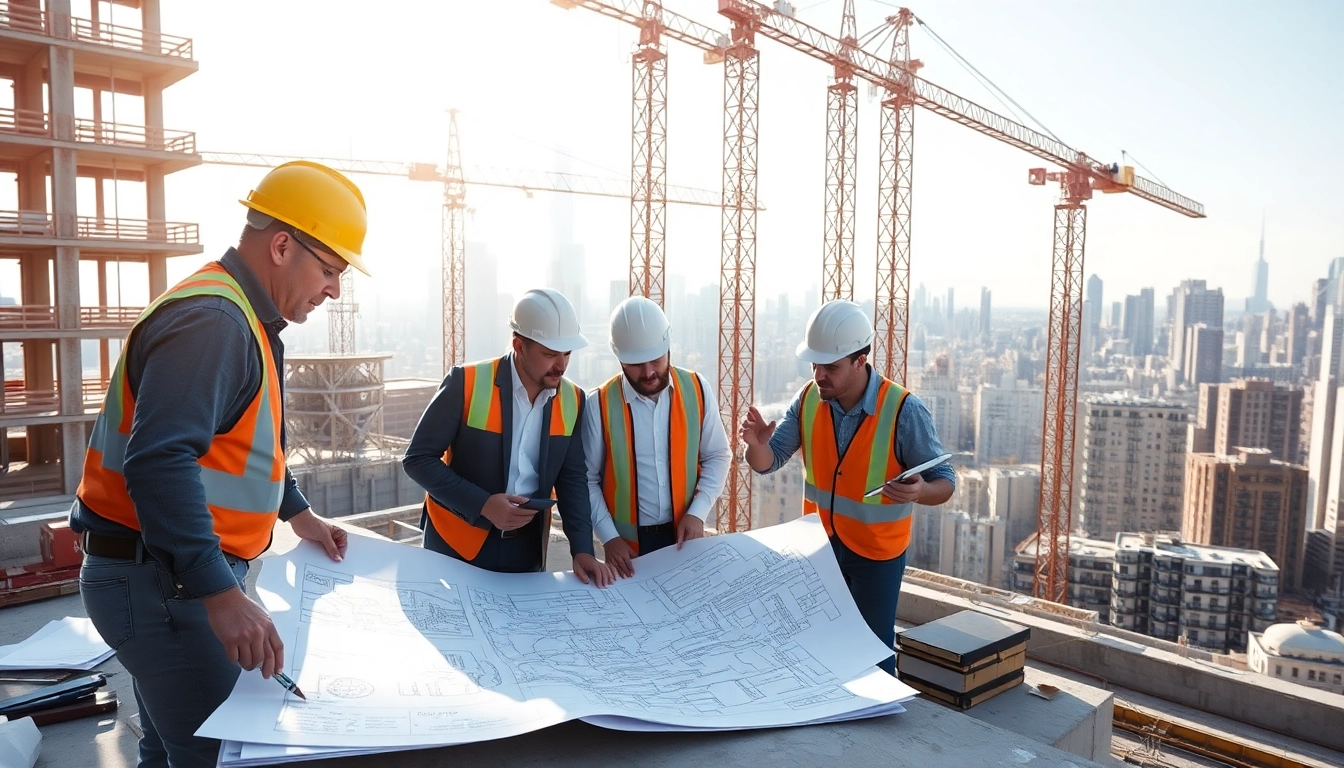
Understanding the Role of a Manhattan General Contractor
Construction can be an overwhelming process, especially in a bustling metropolis like New York City. Enter the Manhattan General Contractor, a pivotal figure in transforming your construction vision into reality. Their expertise is vital in navigating the challenges of urban construction, ensuring that projects stay on track and meet all regulatory standards. In this article, we’ll dive deep into the essential responsibilities, skills, and functions of a Manhattan General Contractor.
Key Responsibilities and Skills
A proficient general contractor is essentially the project manager of a construction site. They possess a diverse skill set, from budget management to hands-on labor, and their responsibilities are as wide-ranging as they are critical. Here are some core responsibilities that define their role:
- Project Planning: Establishing timelines and milestones to ensure efficient workflow.
- Budget Management: Creating and adhering to budgets, including managing contractor fees and materials.
- Coordination of Trades: Collaborating with subcontractors such as electricians, plumbers, and carpenters.
- Compliance and Permits: Securing necessary permits and ensuring compliance with local building codes.
- Quality Control: Monitoring construction quality to maintain the integrity of the project.
In addition to these responsibilities, successful contractors must also possess key skills, including effective communication, problem-solving abilities, leadership, and a strong understanding of construction processes and local regulations. A deep well of knowledge supports these skills, such as familiarity with architectural blueprints and technical specifications.
Importance of Licensing and Insurance
Hiring a licensed contractor is non-negotiable for any construction project. In Manhattan, general contractors must be properly licensed to operate legally. This licensing indicates that the contractor has met specific qualifications and possesses knowledge about local building codes. Additionally, a legitimate contractor will carry comprehensive insurance to protect both parties in case of accidents or damages during construction. Without proper licensing and insurance, project risks can escalate, leaving clients vulnerable. It is essential to verify these credentials before engaging any contractor.
How Contractors Coordinate Multiple Trades
One of the more complex tasks of a general contractor is the coordination of various trades involved in a project. Unlike smaller construction tasks that might require only a handful of workers, larger projects in Manhattan can involve dozens of subcontractors across several categories. A competent contractor manages this dynamic environment by:
- Creating a Detailed Schedule: Ensuring that every trade knows when to arrive and their specific tasks.
- Regular Communication: Keeping open lines of communication between all parties to avoid conflicts.
- Problem Solving: Quickly addressing any issues that arise during the construction process to minimize delays.
This multifaceted coordination is crucial in a city that doesn’t tolerate inefficiencies, ensuring that work proceeds smoothly and within set timelines.
Why Local Expertise Matters in Manhattan
When it comes to construction in Manhattan, local expertise is invaluable. The unique characteristics of the city—in terms of its buildings, neighborhoods, and regulatory environment—make it essential to hire a contractor who is familiar with the ins and outs of the area. Local contractors understand the intricacies that come with working in a dense urban environment and can leverage this knowledge to enhance project outcomes.
Familiarity with Local Regulations
Construction is heavily regulated in Manhattan, with strict requirements for permits, safety, and environmental impact. A skilled Manhattan general contractor knows these regulations inside and out. They can navigate permits efficiently and ensure your project complies fully with local laws, making it possible to avoid costly fines and delays. Understanding zoning laws, building codes, and other local legislation are critical components of a successful project.
Insights into Neighborhood Trends
Each neighborhood in Manhattan has its own character and specific construction trends. An experienced contractor can provide valuable insights into what works best in a particular area, helping you make informed decisions about design, materials, and your overall vision. Whether you're interested in incorporating historic styles or modern aesthetics, a local expert can advise on best practices that resonate with community expectations.
Access to Local Suppliers and Labor
Local general contractors often have established relationships with reliable suppliers and subcontractors. These connections can lead to better pricing, timely deliveries, and quality workmanship, which are critical in keeping your project on schedule and within budget. Access to a skilled local labor pool means that your contractor can assemble a competent team tailored to your project’s specific needs, ultimately enhancing quality and performance.
Evaluating Potential Contractors
Finding the right Manhattan General Contractor for your construction project requires a thorough evaluation process. It goes beyond merely checking references; it involves assessing experience, availability, and compatibility with your vision and goals. Here are steps to guide your contractor evaluation:
Reviewing Portfolios and Previous Projects
A contractor’s past projects serve as a showcase of their capabilities. Reviewing portfolios allows you to assess the quality of their work and whether it aligns with your vision. Look for projects similar to yours in scale and style, paying attention to details such as finishes and craftsmanship. A strong portfolio can indicate a contractor's strengths while providing insight into their design versatility.
Checking References and Reviews
Once you have a short list of potential contractors, check their references. Speaking with previous clients can provide valuable insights into reliability, work ethic, and overall satisfaction. In addition to personal references, online reviews on platforms such as Google and Yelp can help gauge the contractor’s reputation. Look for patterns in feedback—both positive and negative—to shape your decision.
Conducting Interviews and Assessing Compatibility
Interviews are an excellent opportunity to gauge the contractor’s communication style and their understanding of your project. Prepare a set of questions about their experience, approach to challenges, and overall process. It’s important that you feel comfortable working with them, as strong communication leads to successful projects. Ensure your values and expectations align before making a commitment.
Preparing for Your Construction Project
Once you select the right contractor, preparing for the project itself is of equal importance. Clear planning and communication can significantly impact the project’s outcome. Knowing what to expect at each stage allows for more effective management of the construction process:
Defining Your Project Scope and Budget
Begin by clearly defining your project scope. Detail the work that needs to be done, any design preferences, and your budgetary constraints. Your contractor can help you create a realistic budget and determine whether your vision is feasible within that budget. Being as specific as possible from the outset helps to prevent misunderstandings down the line.
Understanding Timelines and Milestones
Establish a clear timeline for your project, including key milestones. Understanding when specific phases of work will begin and end can help manage expectations and allow you to plan accordingly. This timeline should also include time for inspections and possible delays, which can frequently occur in urban environments.
Effective Communication Strategies
Establish effective communication strategies to keep both you and the contractor updated. Regular check-ins and updates can help to handle any potential issues before they escalate. Utilize tools such as project management software or group chat apps for smooth communication. Clear dialogue fosters a collaborative environment that is conducive to project success.
Addressing Common Challenges with Contractors
Even with the best planning, challenges may arise during the construction process. Being prepared to address common issues can help keep your project on track:
Navigating Delays and Miscommunication
Delays can happen for many reasons, from weather complications to supply chain disruptions. Having a contingency plan in place is critical. Open communication with your contractor can help identify the reasons for any delays and develop an appropriate workaround to minimize their impact on your project timeline.
Managing Change Orders and Costs
Change orders, or alterations to the original project scope, can lead to increased costs and extended timelines. Ensure good communication regarding any necessary changes. Discuss the implications of changes on the budget upfront to prevent misunderstandings later. Always document changes in writing and ensure they are agreed upon by both parties.
Ensuring Quality Control Throughout Project
Quality control is essential for any construction project. Regular inspections throughout the construction process will help ensure that work meets your standards and complies with all regulations. Schedule periodic evaluations with your contractor, and don’t hesitate to voice any concerns as they arise. Early detection of issues can prevent extensive and costly fixes later.
Frequently Asked Questions
What should I look for in a Manhattan General Contractor?
Look for experience, proper licensing, insurance, and a strong portfolio. Good communication skills and transparency in dealings are also essential.
How do I check a contractor's reputation?
Reading online reviews, consulting references, and engaging with local forums help gauge a contractor’s reliability and professionalism effectively.
What are typical costs for hiring a contractor in Manhattan?
Costs can vary widely based on the project size and complexity. Generally, contractor fees hover between 10%-20% of the total project budget.
How long does a typical construction project take?
Project timelines depend on scope. A small renovation might take weeks, while larger projects like new builds could span months or even years.
What should I know about permits?
Most construction projects in Manhattan require permits. A qualified contractor will guide you through the necessary application processes.