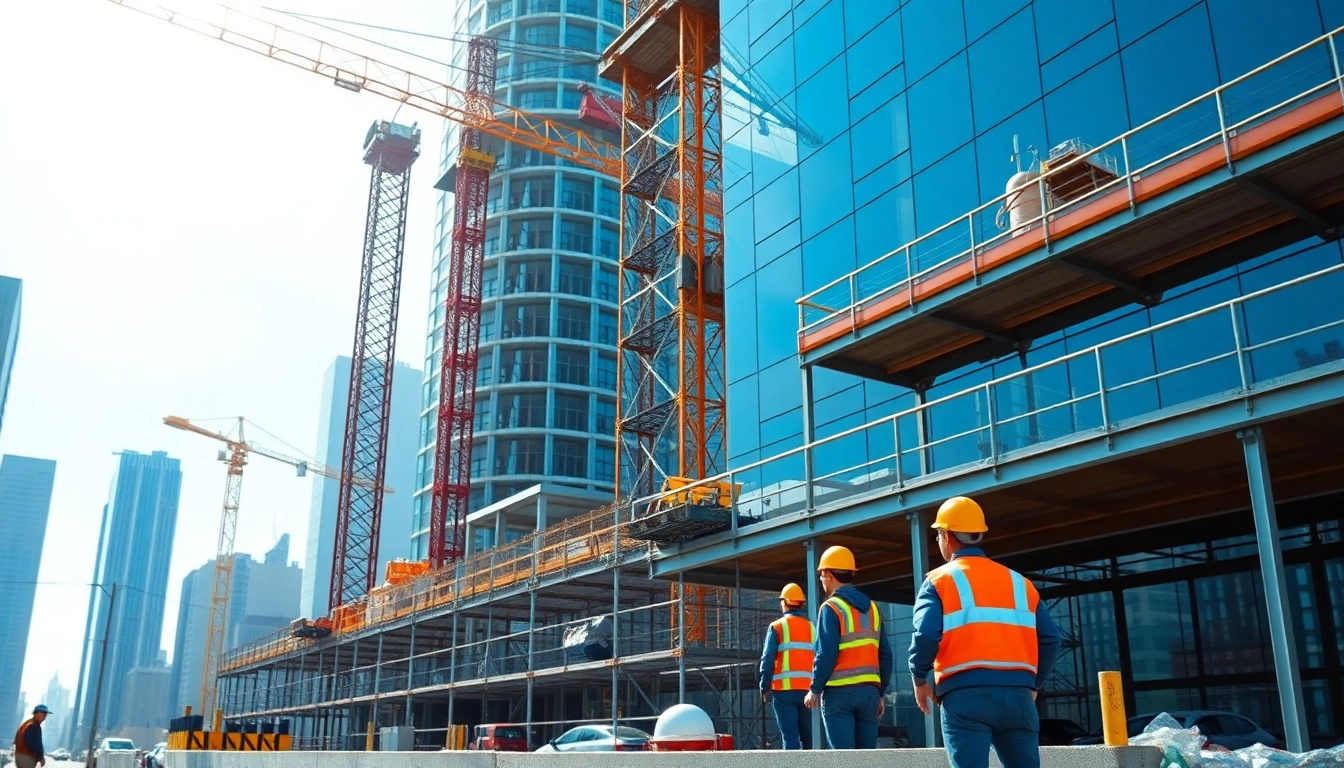
Understanding the Role of a New York City Commercial General Contractor
In the bustling metropolis of New York City, the role of a commercial general contractor is crucial to the success of various construction projects, ranging from office buildings to retail spaces. A New York City Commercial General Contractor serves as the backbone of the construction industry, overseeing project execution from start to finish while ensuring compliance with local codes and regulations.
What Does a Commercial General Contractor Do?
A commercial general contractor (CGC) is responsible for managing the construction process. This encompasses multiple tasks, including but not limited to:
- Project Planning: Before any physical work begins, the CGC develops comprehensive project timelines, budgets, and schedules. This stage also includes obtaining necessary permits and ensuring compliance with zoning laws.
- Management of Subcontractors: A successful CGC works with various subcontractors specializing in electrical, plumbing, HVAC, and other trades. They negotiate contracts, schedule work, and monitor subcontractor performance.
- Site Supervision: Continuous oversight of construction sites is vital. The CGC ensures that work is performed according to specifications, on schedule, and within budget.
- Quality Control: Maintaining quality standards is essential. A CGC conducts regular inspections to verify that construction meets both the client's expectations and industry standards.
- Communication: Act as the liaison between clients, subcontractors, and suppliers to resolve any issues that arise during construction.
Importance of Licensing and Insurance
Licensing and insurance are non-negotiable for any credible New York City commercial general contractor. These elements serve as protections for both the contractor and the client. Licensing ensures that contractors adhere to local laws and standards, while insurance protects against potential risks, such as on-site accidents or damage to property. Moreover, hiring a licensed contractor often leads to a smoother permitting process, as licensed professionals have a track record of working within the legal framework.
Key Qualifications to Look For
When selecting a commercial general contractor, clients should consider the following qualifications:
- Experience: A seasoned contractor with a proven track record in commercial projects is essential. They should have experience specific to the type of building being constructed.
- Reputation: Check reviews and testimonials to gauge previous clients' satisfaction. Positive feedback indicates reliability and professionalism.
- Financial Stability: A financially stable contractor is less likely to face bankruptcies or project interruptions, ensuring smoother project execution.
- Technical Knowledge: A broad understanding of construction techniques, materials, and technologies reflects a contractor’s ability to innovate during the construction process.
How to Select the Best New York City Commercial General Contractor
Choosing the right commercial general contractor can set the foundation for a project's success. Below are steps to guide clients in making an informed decision.
Defining Your Project Scope and Budget
Before initiating conversations with potential contractors, clients should clearly define the project scope and budget. This involves outlining the type of construction needed, estimated timelines, and any specific requirements or challenges. Having a detailed plan allows contractors to provide more accurate estimates and ensures both parties are aligned on expectations.
Researching and Evaluating Potential Contractors
Once the baseline project details are established, clients should actively research candidates. This includes:
- Online Research: Use search engines to find commercial general contractors in NYC. Online reviews, portfolios, and testimonials provide insights into their past work.
- Networking: Referrals from other business owners or contacts in the construction industry can lead to finding trustworthy contractors.
- Initial Consultations: Schedule meetings with prospective contractors to discuss your project. This face-to-face interaction can reveal a lot about their communication style and professionalism.
Conducting Interviews and Requesting References
Interviewing candidates is a critical step in the selection process. Clients should ask about:
- Project timelines and milestones
- Past projects and success stories
- How they handle challenges and unforeseen issues
- Specific team members who will work on the project
- Methods of communication and updates throughout the project
Additionally, asking for references from previous clients allows prospective clients to gauge a contractor's performance and reliability based on real experiences.
Trends Shaping Commercial Construction in New York City
The construction landscape is continually evolving, driven by technological advancements, sustainability efforts, and economic factors. Understanding these trends can provide insight into the future of commercial construction.
Green Building Practices and Sustainability
As environmental awareness grows, green building practices have become increasingly significant in commercial construction. This involves utilizing sustainable materials, energy-efficient systems, and technologies that reduce the building's carbon footprint. Implementation of the LEED (Leadership in Energy and Environmental Design) certification has gained momentum, pushing contractors to adopt greener techniques. Not only does sustainability attract environmentally conscious businesses, but it can also result in long-term cost savings through energy efficiency.
Technological Advancements in Construction
Advancements in technology have revolutionized the construction industry. Techniques such as Building Information Modeling (BIM) allow for greater precision in planning and execution, reducing errors. Drones are being utilized for surveying and monitoring project progress, while 3D printing is making waves in creating modular and customized building components. Adopting these technologies can significantly enhance a contractor's efficiency and the overall quality of the finished project.
Impact of Economic Factors on Construction Projects
The fluctuating economy can have profound impacts on commercial construction. Factors such as interest rates, labor costs, and material availability directly affect project budgets and timelines. For instance, a rise in material costs can lead to budget overruns, while labor shortages can delay project completion. Contractors must stay informed on economic trends to proactively address challenges, ensuring sustainable success in their projects.
Challenges Faced by New York City Commercial General Contractors
Navigating Regulations and Permits
New York City is notorious for its complex permitting and regulatory environment. CGCs must be well-versed in local building codes, zoning laws, and safety regulations. Securing the necessary permits often requires extensive documentation and can prolong project timelines. Therefore, effective communication with city agencies is essential to streamline the permitting process and minimize delays.
Managing Timelines and Resources Effectively
Managing timelines and resources is a multifaceted undertaking. Delays due to weather, unexpected site conditions, or labor shortages can quickly derail project schedules. General contractors must employ strategic planning and agile project management techniques to address these issues efficiently. Regular communication with subcontractors, careful scheduling, and contingency planning are critical to keeping projects on track and ensuring resource availability throughout the construction lifecycle.
Addressing Client Expectations and Quality Control
Meeting client expectations is paramount in establishing a successful contractor-client relationship. Open dialogue with clients regarding their needs is essential to avoid misunderstandings. Quality control measures must be in place to ensure that the construction meets predefined standards. Regular inspections and progress reports keep clients informed and engaged throughout the construction process, helping to foster trust and satisfaction.
Measuring Success with Your New York City Commercial General Contractor
To gauge the effectiveness of a commercial general contractor, several metrics can be utilized to measure success. Understanding these key performance indicators (KPIs) is vital for assessing project performance.
Key Performance Indicators to Consider
Some of the main KPIs to consider include:
- On-time Delivery: Evaluating whether the project is completed within the agreed time frame is crucial.
- Budget Adherence: Monitoring expenses against the initial budget reveals the contractor's ability to manage costs effectively.
- Quality of Work: Regular inspections can ensure that the project meets quality standards, thus impacting client satisfaction.
- Safety Records: Tracking the safety performance of the contractor can reflect on their dedication to maintaining a safe working environment.
Feedback Mechanisms for Continuous Improvement
Implementing feedback mechanisms allows clients to communicate their experiences with the contractor. Surveys and direct feedback sessions create opportunities for improvement and help address any concerns promptly. A contractor willing to adapt based on client feedback demonstrates a commitment to continuous enhancement in their services.
Leveraging Client Testimonials and Case Studies
Client testimonials and comprehensive case studies serve as powerful tools for evaluating a contractor's performance. Real-world examples of successfully completed projects can provide insights into their capabilities, methods, and overall client satisfaction. This information is invaluable for potential clients looking to make informed decisions.