
The Significance of African American Cartoons
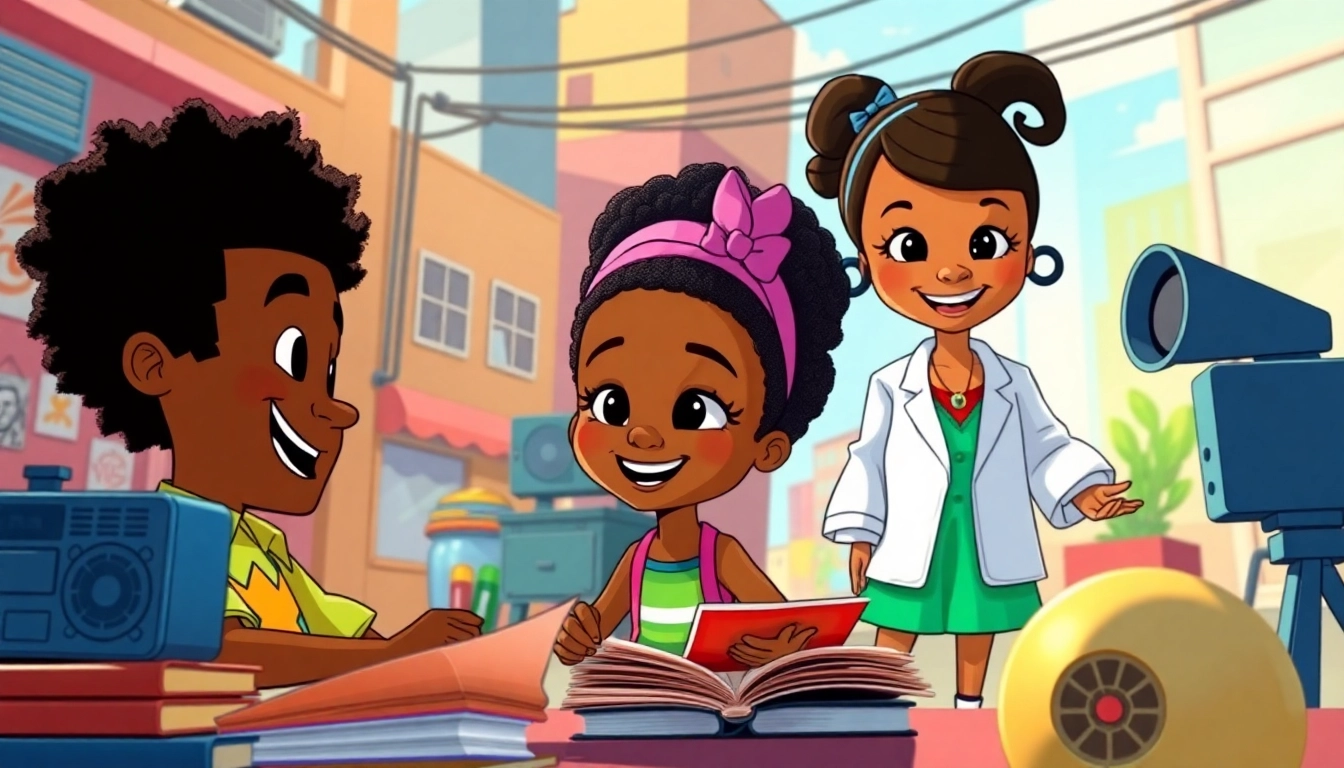
African American cartoons play a pivotal role in the animation industry, serving not only as entertainment but also as cultural touchstones that reflect and shape societal narratives. From the early days of animation to contemporary series, these cartoons have evolved, significantly impacting the landscape of children's programming and adult humor alike. As we delve into this fascinating realm, it's essential to appreciate the layers of representation, culture, and storytelling woven into these animated works. When exploring options, African American Cartoons provide comprehensive insights into the diverse narratives and characters that resonate across generations.
Cultural Impact on Animation
The cultural impact of African American cartoons is profound. In an industry often dominated by Eurocentric narratives, these cartoons introduce audiences to a rich tapestry of African American culture, traditions, and experiences. They challenge stereotypes, present authentic representations, and often include elements of Afro-American folklore and history, making them educational as well as entertaining.
Representation in Media
Representation in media is crucial for fostering understanding and empathy. Historically, African American characters were relegated to supporting roles or caricatures. However, cartoons like "The Boondocks" and "The Proud Family" broke away from these conventions to present complex characters that resonate with viewers. These shows often tackle societal issues such as racism, identity, and community, making them relatable not just to African American audiences but to a broader demographic.
Influence on Young Audiences
For young viewers, African American cartoons serve as a window into diverse experiences. They foster a sense of belonging among African American children while educating others about cultural differences. Educational cartoons such as "Doc McStuffins" and "Esme and Roy" introduce themes of friendship, empathy, and problem-solving, helping to shape the social skills and emotional intelligence of young audiences.
Iconic African American Cartoons Throughout History
Classics from the 90s
The 1990s were a golden era for African American cartoons, introducing some iconic series that remain beloved today. "The Boondocks," created by Aaron McGruder, aired in the early 2000s but drew inspiration from 90s culture, offering sharp satire on race relations through the eyes of two young brothers. Another essential mention is "The Proud Family," which gave voice to a new generation with its focus on family dynamics and cultural identity.
Modern Breakthroughs in Animation
In contemporary times, African American cartoons have seen a resurgence with fresh voices bringing innovative stories to life. Shows like "Craig of the Creek" and "Big Mouth" include African American characters in prominent roles, showcasing their experiences within broader narratives. These series not only entertain but also initiate conversations about important themes like self-discovery, representation, and inclusivity.
Upcoming Releases in 2026
Looking towards the future, several upcoming animated series promise to continue this trajectory of representation and innovation. Projects such as "Young Love," based on Matthew A. Cherry’s Oscar-winning short film, are set to explore the complexities of young African American families. The anticipation surrounding these releases highlights the ongoing demand for authentic storytelling in animation.
Top Characters and Their Stories
Character Profiles of Beloved Icons
Characters from African American cartoons have become cultural icons, representing diverse facets of African American life. Characters like Huey and Riley Freeman from "The Boondocks" challenge stereotypes and provoke social commentary, while Penny Proud from "The Proud Family" showcases the everyday experiences of a young African American girl navigating family and friendships.
Lessons from These Characters
The stories told through these characters often impart valuable life lessons. For instance, the theme of resilience is strong in "Static Shock," where the young superhero faces prejudice and societal challenges. Meanwhile, "Doc McStuffins" not only entertains but empowers children to aspire to careers in healthcare, encouraging them to dream big.
Shaping Identity and Values
Many African American cartoons emphasize the importance of identity and community. Shows often promote values such as respect, warmth, and friendship, supporting children in their understanding of social dynamics and self-worth. By centering African American narratives, these cartoons contribute to a more inclusive media landscape.
Exploring Themes of African American Cartoons
Friendship and Community
Friendship and community are central themes in many African American cartoons. Series like "The Proud Family" illustrate the importance of support systems among friends and family. The stories highlight cultural celebrations and communal support networks, thereby promoting positive social interactions.
Socioeconomic Issues Highlighted
Several African American cartoons address socioeconomic issues that affect their communities. "The Boondocks" often critiques materialism and systemic oppression, using humor and satire to shine a light on serious topics. By incorporating these discussions into the fabric of entertainment, these shows encourage audiences to reflect on societal structures.
Humor and Life Lessons
Humor is a powerful tool in storytelling, and African American cartoons utilize it effectively to convey deeper messages. Shows like "Fat Albert and the Cosby Kids" blend humor with lessons about friendship, responsibility, and the importance of standing up for one another. This approach not only entertains but also instills moral values in viewers.
The Future of African American Cartoons
Trends in Animation for 2026
As we head into 2026, trends in animation hint at a more diverse and inclusive landscape. With the rise of streaming platforms and independent creators, audiences can expect a wider array of stories that challenge traditional narratives. Innovations in animation techniques allow for bolder visual styles and storytelling formats that resonate with younger generations.
Technological Advances in Storytelling
The animation industry continues to embrace technological advances that enhance storytelling. Virtual reality (VR) and augmented reality (AR) open new avenues for immersive experiences, allowing audiences to engage with African American stories in innovative and interactive ways. This evolution in storytelling will likely lead to fresh, relatable narratives that captivate viewers.
Emerging Creators to Watch
The next wave of African American creators promises to bring yet more diversity to animated storytelling. Emerging talents are developing unique voices and perspectives, ready to challenge the status quo and push the boundaries of animation. As these creators gain visibility, their contributions will undoubtedly enrich the world of African American cartoons.