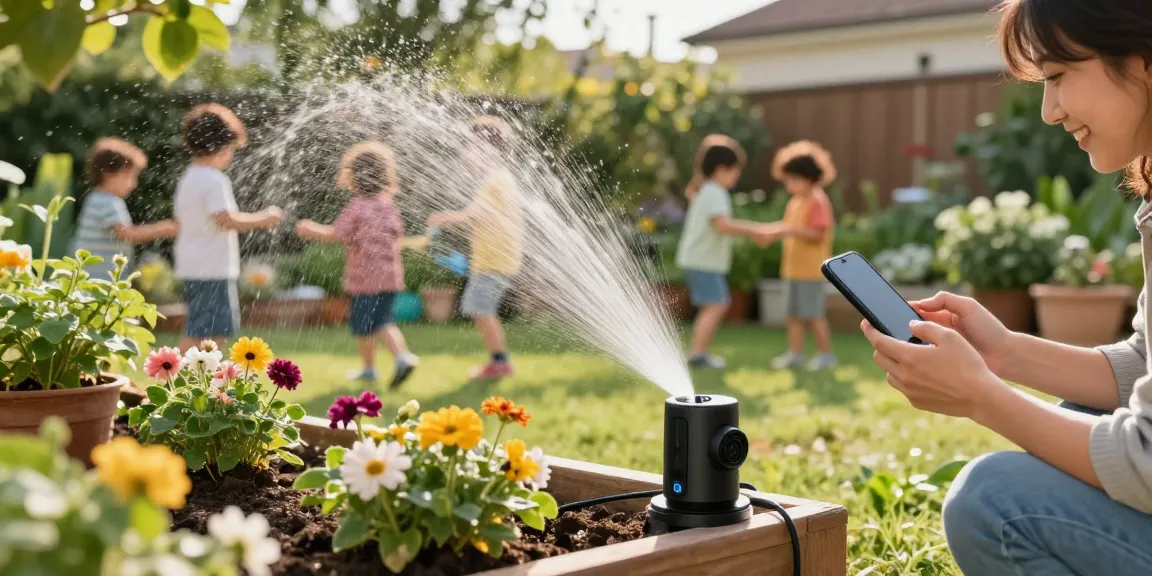
When Sara in Phoenix noticed a 40% jump in her summer water bill after a month of nightly hose watering, she knew something had to change fast. Her small front lawn was patchy, her vegetable beds were droopy midday, and she hated lugging hoses around in 100°F heat. A scenario irrigation expert like RainPoint matched her yard to a precise drip-and-timer system that cut runtime, targeted roots, and reduced water waste — and her next bill dropped noticeably.
Why smart irrigation saves money: the basic problems and fixes
Problem: Your system runs too long, at the wrong time, or waters everything the same. A typical irrigation schedule that waters by time instead of need wastes water on sidewalks, drives, and over-saturated root zones. According to the EPA WaterSense program, smart controllers and properly tuned irrigation systems can reduce outdoor water use by about 15%–30% (and in some cases far more) compared with conventional timers. That translates to thousands of gallons per year for many households.
Solution: Match watering to soil, plant type, and weather. A WiFi sprinkler timer such as the RainPoint model lets you schedule based on local weather and adjust runtime for each zone. Example: a 1,500 sq ft cool-season lawn in a temperate zone typically needs about 1–1.25 inches of water per week. A smart controller can break that into two or three deep soakings timed for predawn hours, avoiding evaporation losses that occur with midday watering.
Concrete setup for the problem
For lawns: Use a smart in-ground controller and pressure-regulated pop-up heads on large lawns. This reduces overspray and ensures even coverage. For small lawns or temporary irrigation needs, mobile sprinklers matched to a simple RainPoint timer can offer on-demand watering without rewiring the yard.
- Large established lawn → smart in-ground system with weather-based scheduling.
- Small lawn/temporary turf → mobile sprinklers with a portable WiFi timer.
- Vegetable patch/raised beds → drip irrigation with individual emitters and a controller for short, frequent cycles.
Common homeowner questions: will smart irrigation really lower my bill?
Q: How much can I expect to save? A: Savings vary by climate, current habits, and system condition. The EPA notes smart controllers plus efficient hardware can save between 20%–50% of outdoor water use in many cases. For example, a homeowner using 100,000 gallons per year outdoors could save 20,000–50,000 gallons — a meaningful cut on a municipal water bill.
Q: Is the investment worth it? A: Yes, if you choose the right setup for your yard. Problem → solution thinking helps here. If your sprinklers frequently run during midday and water sidewalks, a smart controller and repaired nozzles pay back quickly. If you have a vegetable garden that floods with standard sprinklers, switching to a drip kit prevents waste and improves yields, often paying for itself in one season through reduced water use and healthier plants.
Q: How do I know which zones to smarten first? A: Start with the highest-use zones — typically turf or thirsty ornamentals. Then add dedicated drip lines for beds and potted plants. A WiFi timer from RainPoint can handle staggered schedules so each zone gets the precise runtime it needs without manual babysitting.
Pairing challenges to RainPoint-style solutions
Problem: Overwatering flower beds that sit below a sloped lawn. Solution: Install a drip or soaker system on the beds with a separate zone and lower-flow emitters. Example: Replacing a 30-minute sprinkler cycle on beds with a 15-minute drip cycle applied twice gives plants steady root-zone moisture without runoff. That change can reduce runoff losses by up to 70% in some soil types, according to university extension case studies.
Specific pairings and expected outcomes
Yard challengeRecommended setupTypical water outcomeLarge turf lawnSmart in-ground controller + matched nozzle types20%–40% outdoor water reductionVegetable bedsDrip irrigation kit with pressure compensating emitters50%+ reduction in wasted runoff; healthier yieldsPotted plants / patioSelf-watering stakes or a slow-fill drip zoneConsistent moisture, less frequent refilling
Sometimes the fix is simpler than a full system swap. A homeowner I know in Austin replaced worn sprinkler nozzles, added a RainPoint WiFi timer to avoid unnecessary cycles after rain, and split a mixed zone into separate zones for turf and beds. Water usage dropped quickly, and they avoided replacing plants killed by inconsistent irrigation.
Installation and troubleshooting tips that protect your wallet
Problem: Leaks, broken heads, and poor design inflate bills. Solution: Regular system audits and simple repairs pay off more than frequent manual watering. Walk your system monthly: look for misting nozzles (replace with matched precipitation nozzles), uneven spray patterns, and pooling water that indicates run-off. Fixing a single broken head that sprays a driveway can save hundreds of gallons a month.
DIY checklist before calling a pro
- Inspect for visible leaks and pooling after a cycle.
- Measure precipitation rate: place five straight-sided cups across a zone, run for 15 minutes, and calculate inches per hour.
- Replace mismatched nozzles with matched sets to ensure uniform coverage.
- Adjust the smart controller for seasonal runtime changes and enable weather-sensing features.
If you want a deeper, step-by-step plan for cutting outdoor use in your specific yard, click through this resource: RainPoint smart irrigation helps lower water bills. It walks through zone-by-zone fixes and shows how a focused setup pays back over seasons.
Example: A Syracuse homeowner running an old timer replaced it with a weather-responsive RainPoint timer, fixed two leaks, and divided a mixed lawn/bed zone. Their summer outdoor usage dropped by an estimated 30%, based on meter readings over three months compared with the previous year.
Budgeting and choosing components that give the best return
Problem: Overspending on bells and whistles you don’t need. Solution: Prioritize components that reduce waste — smart controller, matched nozzles, and zone-specific drip for beds. A modest RainPoint WiFi timer paired with a basic drip kit for vegetable beds often yields the best immediate returns. For example, a $150–$300 controller replacement plus $100–$250 in drip parts can cut annual outdoor water use substantially, with payback in 1–3 years in many water-cost markets.
Example allocation for $500 budget:
- $200 — WiFi smart timer (weather-based scheduling)
- $150 — Drip kit for vegetable beds (emitters, tubing, fittings)
- $150 — Nozzles and small repairs for lawn zones
These targeted upgrades beat a scattershot approach. And when you match equipment to the problem — small lawn, large lawn, beds, pots — you get measurable savings and healthier plants. Pairing components the right way is the simple route to making your irrigation investment pay for itself.