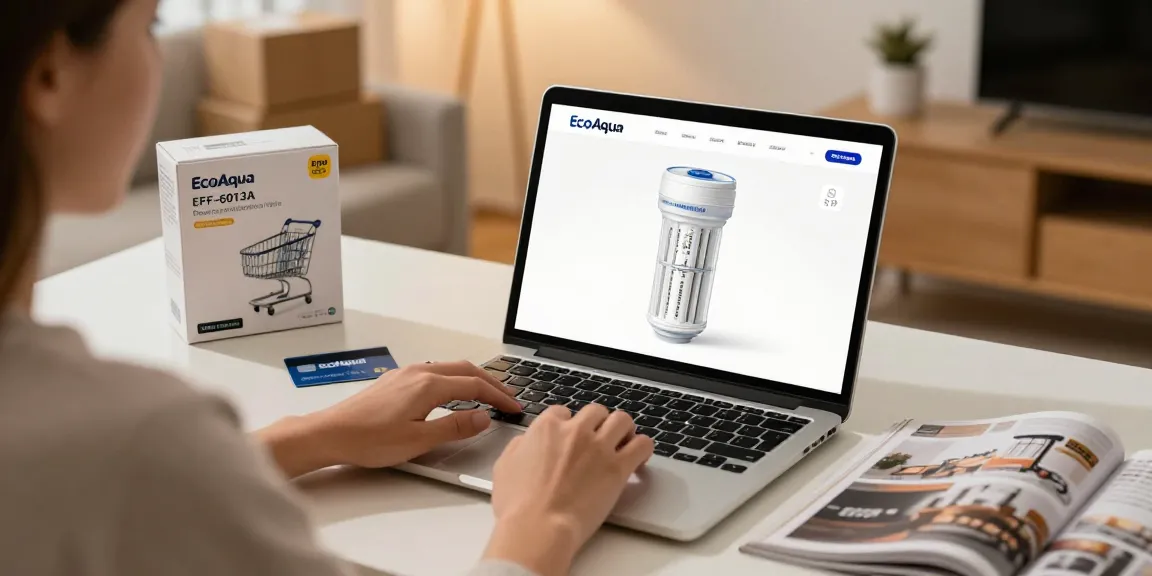
Understanding the Frictionless Warranty Experience
Definition and Importance
The concept of a frictionless warranty experience revolves around creating a streamlined process for customers to utilize warranties on their products. In an era where customer satisfaction is paramount, ensuring a hassle-free warranty experience can significantly influence brand loyalty and customer retention. In essence, this experience embodies the ease and convenience consumers expect when facing potential issues with products they have purchased, thereby allowing companies to uphold their reputations and generate positive word-of-mouth.
Key Components of a Smooth Process
To achieve a frictionless warranty experience, several crucial components must be established:
- Clarity: Customers should easily understand warranty terms, including coverage duration and conditions.
- Accessibility: The warranty claim process should be straightforward, ensuring customers can initiate claims quickly without unnecessary red tape.
- Responsiveness: Quick responses to customer inquiries enhance the overall experience and mitigate frustration.
- Integrated Technology: Modern technology can facilitate the warranty process from claim submission to approval, making interactions seamless.
Common Challenges in Warranty Management
Despite best intentions, various challenges can arise, impacting the warranty experience:
- Complex Policies: Lengthy and complicated warranty documentation can confuse customers, leading to frustration.
- Poor Communication: Lack of clear pathways for customer inquiries can lead to delays and dissatisfaction.
- Operational Inefficiencies: Outdated systems may slow down the claim processing time, further aggravating customers.
- Data Management: Keeping track of warranty claims and customer interactions manually can result in lost records and miscommunication.
Building a Frictionless Warranty Experience
Identifying Customer Needs
Understanding customer expectations is fundamental to developing a warranty experience that leaves a lasting positive impression. This requires businesses to engage with customers directly through surveys and feedback forms to identify their needs and pain points. Questions to consider include:
- How do customers prefer to submit claims—online, via phone, or in-store?
- What information do they find most challenging to understand regarding warranty coverage?
- What would make the claim process more satisfactory?
Creating Seamless Interaction Points
Once customer needs are identified, businesses can design interaction points that facilitate easy communication. This may include:
- Intuitive Online Portals: An easy-to-use platform where customers can check warranty status, submit claims, and search for product information.
- Mobile Applications: Apps that allow users to manage their warranties directly from their smartphones.
- In-Store Assistance: Training staff to be well-versed in warranty policies aids in ensuring customers receive immediate assistance.
Leveraging Technology for Efficiency
Technology plays an instrumental role in facilitating a frictionless warranty experience. From cloud-based systems that track warranty claims to AI-driven chatbots that guide customers, integrating advanced solutions can streamline processes significantly. Automation can take over routine tasks, such as initial claim assessments, freeing up human resources for more complex customer interactions.
Best Practices for Effective Warranty Policies
Clear Communication with Customers
Businesses should ensure that warranty terms and conditions are communicated clearly to customers at the point of sale and through follow-up communications. Transparency builds trust and reduces the likelihood of disputes later on. Clear communication includes providing FAQs, ensuring product labelling is easily understandable, and maintaining ongoing dialogue through newsletters or direct contact.
Simple Claim Submission Processes
The simplicity of the claim submission process is a crucial factor in customer satisfaction. Ideally, the submission process should allow customers to complete claims in just a few steps. Clear step-by-step guides, both online and in print, coupled with visual aids like flowcharts can serve to alleviate user confusion during the claim process.
Timely Follow-ups and Support
Following up after a warranty claim submission is not just courteous; it’s essential for maintaining a positive customer relationship. Automated messages confirming receipt of a claim, estimated timelines for resolution, and updates throughout the process can reassure customers and reduce anxiety about their claims. The efficiency of support teams further adds to this assurance.
Case Studies: Successful Warranty Programs
Industry Leaders Offering Frictionless Experiences
Some companies set exceptional standards in warranty management, showcasing just how effective a frictionless warranty experience can be. They employ a combination of clear communication, advanced technology, and responsive customer service. By highlighting their approaches and successfully meeting customer expectations, they illustrate the formula for an optimal warranty process.
Customer Feedback and Performance Metrics
Measuring customer feedback and using data analytics to interpret performance metrics is a hallmark of successful warranty programs. Businesses should regularly assess customer feedback through surveys post-claim, review processing times, and quantify user satisfaction rates. Tracking performance indicators over time can reveal trends that necessitate adjustments or enhancements to the warranty offering.
Learning from Mistakes: What Not to Do
Even the best companies can falter in their warranty processes. Common pitfalls to avoid include neglecting to simplify terms and conditions, failing to keep customers informed throughout the claim process, and not utilizing technology effectively. Learning from these missteps can be invaluable in reshaping processes to better meet customer needs.
Measuring Success in Warranty Systems
Key Performance Indicators to Track
To evaluate the success and efficiency of warranty management, organizations should track several key performance indicators (KPIs), including:
- Claim Processing Time: The average time taken to resolve a claim.
- Customer Satisfaction Scores: Ratings from surveys post-claim.
- Claim Approval Rate: The percentage of claims approved versus total claims submitted.
- Repeat Customers: The percentage of customers who make additional purchases.
Adapting Based on Customer Feedback
Businesses must take customer feedback seriously and adapt their warranty programs accordingly. Regularly gathering insights and being responsive to criticisms or suggestions can refine the experience provided. It’s crucial to examine both quantitative data and qualitative input to implement meaningful changes that enhance the customer’s journey.
Future Trends in Warranty Management
The landscape of warranty management is evolving rapidly. In the future, technologies like blockchain may provide more transparency and security in claim processing. Additionally, the rise of IoT devices allows for proactive notifications regarding warranties, making processes even more efficient. Understanding these trends will ensure that companies remain competitive in providing a frictionless warranty experience.
Frequently Asked Questions
What is a frictionless warranty experience?
A frictionless warranty experience refers to a seamless and hassle-free process for customers to utilize product warranties, focusing on simplicity and ease of access.
How can I improve my warranty process?
Improving your warranty process can be achieved by simplifying policies, leveraging technology, and maintaining clear communication with customers throughout the claim experience.
Why is customer feedback important in warranty management?
Customer feedback is crucial as it uncovers insights into user experiences, helping businesses refine their processes and improve overall satisfaction.
What are the common challenges in warranty management?
Common challenges include complex policies, poor communication, operational inefficiencies, and ineffective data management, which can frustrate customers.
How do I measure the success of my warranty program?
Measuring success can be done through key performance indicators such as claim processing times, customer satisfaction scores, and approval rates of claims submitted.