
Understanding Line Schedules in Modern Subway Systems
As urban centers grow and evolve, the demand for efficient public transit solutions becomes increasingly urgent. Subway systems, the backbone of urban transit, rely heavily on comprehensive planning and technology to operate smoothly. One critical aspect of this planning is the subway’s line schedule, which details the timing and frequency of train arrivals. This article explores the intricacies of line schedules, their importance in enhancing commuter experience, and the technologies that enable real-time tracking of subway systems.
What is a Line Schedule?
A line schedule is a detailed timetable that outlines when trains are expected to arrive and depart at various stations along a subway line. This schedule is essential for passengers to plan their journeys effectively, allowing them to know when to be at the station to catch their train. Line schedules are not static; they are dynamically updated to reflect real-time conditions, including delays, service disruptions, or changes in frequency that can occur due to various factors such as maintenance work or emergencies.
Importance of Real-Time Updates
In today’s fast-paced world, the need for real-time updates in line schedules has never been more critical. For commuters, knowing the exact arrival time of their train can significantly reduce waiting times and enhance overall satisfaction with the transit system. Real-time updates allow transit agencies to communicate changes instantaneously, ensuring that passengers receive the most accurate and timely information possible. This is particularly important during peak hours when delays can cause ripple effects throughout the transit network.
How Line Schedules Improve User Experience
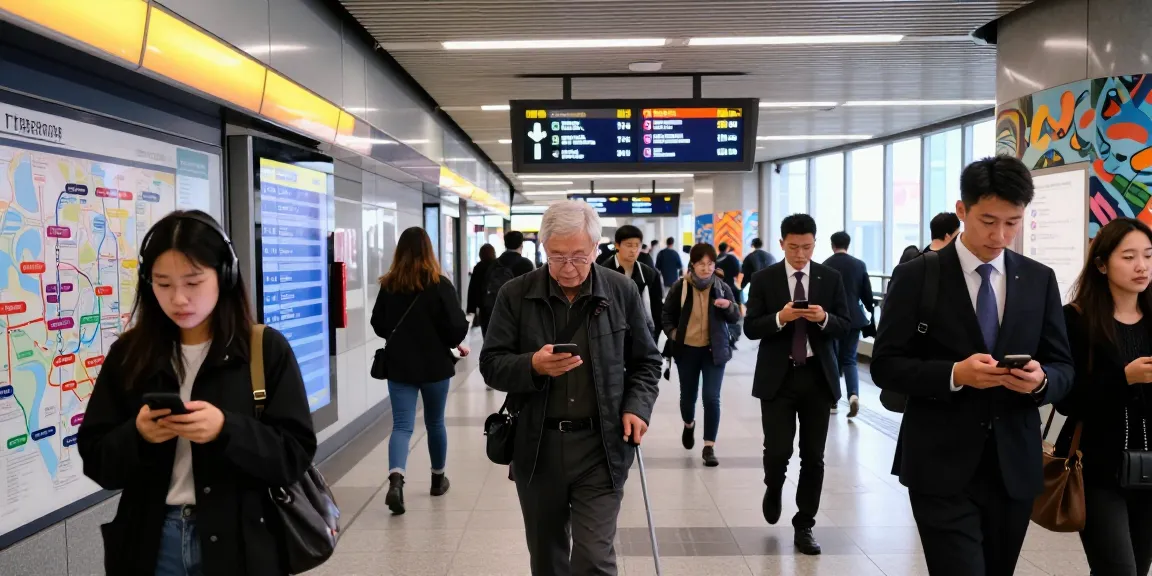
The integration of dynamic line schedules into user-friendly applications has transformed the commuter experience. Passengers can now access real-time information on their smartphones, which offers everything from estimated arrival times to alerts about service changes. The ability to monitor line schedules intuitively improves planning and enables users to make informed decisions about their travel, ultimately leading to a more pleasant and efficient commuting experience.
Technologies Driving Real-Time Subway Tracking
Overview of GTFS-Realtime Data Standards
The General Transit Feed Specification – Real-Time (GTFS-Realtime) is a data standard that allows transit agencies to share real-time information about their services. This standard is crucial for providing up-to-date line schedules and includes information about vehicle positions, trip updates, and service alerts. By adopting GTFS-Realtime, subway systems can ensure that they are providing the most accurate information possible to commuters, refining their ability to manage and respond to service demands.
Integration of Live Data from Transit Agencies
Subway Today is an excellent example of how transit agencies can harness the power of real-time data. By pulling live data every 30 seconds from multiple transit agencies using the GTFS-Realtime standard, Subway Today presents users with accurate arrival boards that reflect current conditions. This integration not only enhances the accuracy of line schedules but also provides a seamless experience for commuters as they navigate their transit options.
Future Innovations in Real-Time Tracking
Looking ahead, the future of real-time tracking in subway systems is poised for innovation. Technologies such as artificial intelligence (AI) and machine learning could play significant roles in enhancing real-time data analysis and predictive modeling. These advancements could lead to more adaptive line schedules that respond intelligently to variations in ridership patterns, weather conditions, and unexpected disruptions, transforming the subway experience further.
Challenges in Maintaining Accurate Line Schedules
Common Obstacles Transit Agencies Face
Maintaining accurate line schedules can be challenging for transit agencies due to a variety of factors. For instance, equipment failures, extreme weather conditions, and staffing shortages can all lead to service delays or cancellations. Additionally, the sheer volume of data that needs to be processed and updated continuously can overwhelm systems that are not designed to handle such dynamic input. Addressing these challenges requires robust technology and well-trained personnel.
Addressing User Concerns and Feedback
Transit agencies must also prioritize user feedback when it comes to line schedules. Commuters often voice their concerns regarding timing accuracy, accessibility of information, and overall service reliability. Utilizing this feedback to make improvements can help agencies build trust with their users, encouraging higher ridership and better overall satisfaction with the system.
Case Studies on Successful Implementation
Several cities have successfully implemented innovations to improve their line schedules via real-time tracking. For example, the New York City Subway has adopted GTFS-Realtime to provide its users with live updates, significantly reducing wait times and increasing commuter confidence. By reviewing case studies like this, transit agencies can learn from one another and continue to enhance their own practices.
Best Practices for Commuters: Navigating Line Schedules Effectively
Using Mobile Apps for Real-Time Tracking
For commuters looking to navigate subway systems efficiently, utilizing mobile apps that provide real-time tracking is essential. Apps that are synced with GTFS-Realtime data can offer users up-to-date information about line schedules, service notices, and any potential delays. Familiarizing oneself with these apps can dramatically enhance one’s commuting experience.
Understanding Service Notices and Alerts
Passengers should stay informed about service notices and alerts that may affect their travel plans. Alerts can provide critical information regarding temporary service changes or emergencies that commuters need to be aware of before heading out. Actively checking these notices can save time and reduce stress during commutes.
Tips for Optimizing Your Daily Commute
- Plan your route ahead of time using real-time data apps.
- Monitor line schedules to account for potential delays.
- Be aware of peak hours to avoid overcrowding.
- Follow local transit agencies on social media for updates and important announcements.
Future Trends in Subway Line Scheduling and Tracking
Predictions for 2026 and Beyond
By 2026, it is projected that advancements in technology will enable even more precision in line scheduling. Synching all aspects of transit data could allow for a more seamless connection between different modes of transportation, fostering an integrated urban mobility ecosystem. Innovations aimed at enhancing user experience appear to be on track for implementation, focusing on user-centric designs and customization based on individual travel habits.
Impact of AI and Machine Learning on Transit Systems
Artificial intelligence and machine learning are expected to revolutionize public transit within the next few years. These technologies have the potential to analyze large sets of data to predict service disruptions and improve scheduling. By learning user patterns and preferences, AI can facilitate adaptive line schedules that respond to daily changes in ridership, improving efficiency and reliability in subway systems.
Community Engagement in Enhancing Transit Solutions
Community engagement will play a crucial role in the evolution of subway systems. Engaging with the public to gather insights and suggestions can lead to better services tailored to user needs. Public forums, surveys, and workshops are effective means for transit agencies to involve the community in decision-making processes, ensuring that service improvements align closely with commuter expectations and requirements.
What are the benefits of real-time line schedules?
Real-time line schedules provide commuters with accurate arrival times, minimizing wait periods and enabling more informed travel decisions. These schedules help improve efficiency within the transit system and foster greater user satisfaction.
How can I trust the accuracy of service alerts?
Trusting the accuracy of service alerts hinges on the reliability of the data source. Agencies that utilize GTFS-Realtime standards and maintain consistent updates typically provide the most accurate alerts, fostering a sense of confidence among commuters.
What technologies are used in subway line tracking?
Subway line tracking employs a variety of technologies, including GPS for vehicle positioning, GTFS-Realtime data standards for updates, and mobile applications for user engagement. Together, these technologies create a connected and responsive transit environment.
How do I find the best mobile app for subway tracking?
To find the best mobile app for subway tracking, look for apps that connect with real-time data and provide user-friendly interfaces, accurate alerts, and comprehensive coverage of subway lines within your area.
What changes can commuters expect in subway systems by 2026?
By 2026, commuters can anticipate significant improvements in subway systems, including more adaptive scheduling driven by AI, enhanced user interfaces within tracking applications, and increased community involvement in transit decision-making processes, ultimately leading to a more efficient and user-centric experience.