
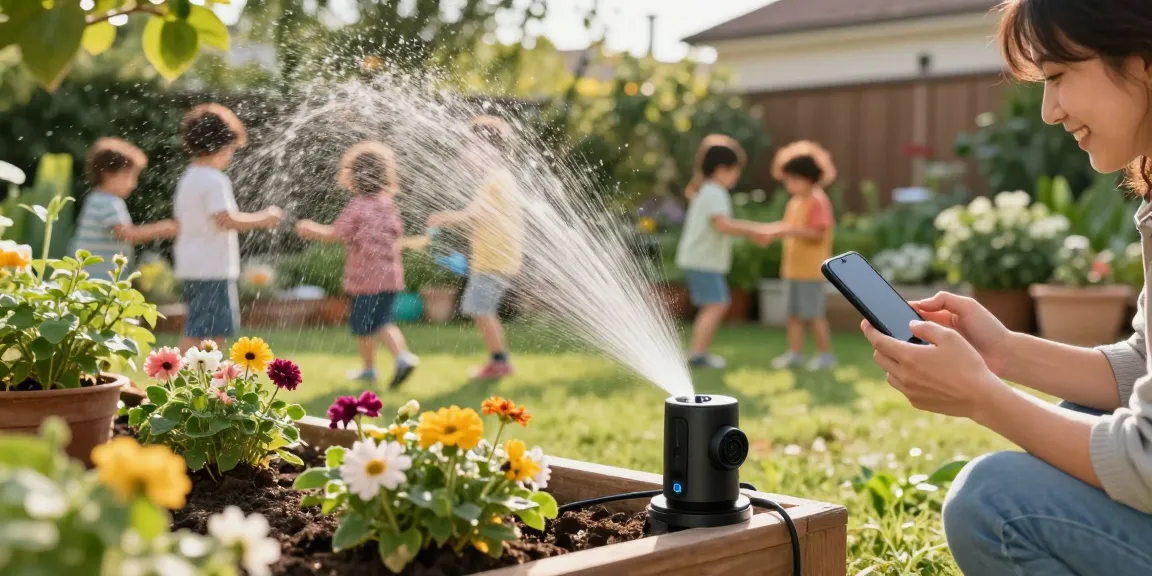
Understanding Smart Sprinklers: Technology Behind the Innovation
Smart sprinklers are revolutionizing the way we manage garden irrigation. With their advanced technology, they not only streamline watering routines but also optimize water usage based on real-time data and environmental conditions. When exploring options, smart sprinkler systems provide comprehensive insights into efficient watering practices and help you maintain vibrant gardens with less effort.
What is a smart sprinkler?
A smart sprinkler is an advanced irrigation system that utilizes technology to automate the watering process in gardens and landscapes. Unlike traditional sprinklers that operate on timers or manual control, smart sprinklers are equipped with sensors and connectivity features that allow them to adjust watering schedules based on weather patterns, soil moisture levels, and even plant water needs.
How smart sprinkler systems work
Smart sprinkler systems typically consist of a central control unit, sensors, and sometimes a mobile application. The control unit connects to your Wi-Fi network, allowing for remote access and management. Sensors placed in the soil monitor moisture levels, while weather forecasts help the system determine the ideal watering times and amounts. This combination leads to precise irrigation tailored to your garden’s specific needs.
Features that stand out in modern smart sprinklers
- Weather Integration: Many smart sprinklers can access real-time weather data to adjust watering schedules automatically, preventing overwatering during rainy conditions.
- Soil Moisture Sensors: These sensors relay information on current moisture levels, ensuring that plants receive water only when needed.
- Mobile App Connectivity: Users can control and monitor their watering systems via smartphones, allowing for adjustments on the go and easy scheduling.
- Multiple Zone Control: Advanced systems can manage various irrigation zones independently, catering to different plant species with varying water requirements.
Benefits of Using a Smart Sprinkler in Your Garden
Implementing a smart sprinkler system in your garden provides numerous advantages. From conserving water to enhancing plant health, these systems are designed for efficiency and ease of use.
Water conservation through smart irrigation
One of the primary benefits of smart sprinklers is their ability to conserve water. By utilizing real-time data and weather forecasts, these systems can significantly reduce water waste, benefiting both your wallet and the environment. For instance, they can delay or even skip watering sessions when rain is predicted, ensuring that your garden gets the right amount of water without excess runoff.
Enhancing plant health and growth
Smart sprinklers contribute to healthier plant growth by delivering targeted irrigation. Overwatering can lead to root rot and other issues, while underwatering can stress plants. With precise moisture monitoring and automated scheduling, smart sprinklers maintain optimal soil moisture levels, promoting robust growth and vibrant flowers.
Convenience and automation in garden maintenance
Automation is a significant advantage of smart sprinkler systems. Gardeners can set up schedules and forget about manual watering altogether. This feature is particularly valuable for busy individuals or those who travel frequently, ensuring that gardens remain well-maintained without the constant oversight typically required for traditional watering methods.
Choosing the Right Smart Sprinkler for Your Needs
Selecting the best smart sprinkler for your garden requires careful consideration of various factors to ensure it meets your specific needs.
Key factors to consider before purchasing
- Garden Size: Evaluate the size of your garden and the coverage area needed. Systems with multiple zones might be necessary for larger properties.
- Water Source: Ensure that your chosen system is compatible with your existing water supply, whether it’s a municipal source or a rainwater collection system.
- Sensor Quality: Look for high-quality soil moisture sensors and weather integration capabilities that provide accurate and timely data.
Comparing different brands and models
When shopping for smart sprinklers, it’s beneficial to compare various brands and models. Read user reviews and expert comparisons to understand the strengths and weaknesses of each system. Also, consider the customer service reputation of the manufacturer, as this can impact your overall experience with the product.
Budgeting for installation and maintenance costs
Budgeting is an essential component when considering smart irrigation systems. While upfront costs can vary widely, remember to factor in potential installation fees, especially for more complex systems that may require professional setup. Additionally, keep in mind ongoing maintenance costs, such as replacing sensors or other components, to maintain optimal performance.
Common Challenges and Misconceptions About Smart Sprinklers
Despite their benefits, smart sprinklers are often surrounded by misconceptions and potential challenges that users should be aware of before making a purchase.
Addressing connectivity issues and troubleshooting
Many users may encounter connectivity issues, especially if their smart sprinklers rely on Wi-Fi. To mitigate these problems, ensure your home network has adequate coverage in the areas where your smart devices will be installed. It’s also advisable to familiarize yourself with troubleshooting steps provided by the manufacturer to address common issues swiftly.
Debunking myths: Do smart sprinklers really save water?
One common myth is that smart sprinklers don’t save water compared to traditional systems. In reality, when set up and configured correctly, these systems can lead to significant water savings by adjusting irrigation based on real-time data instead of fixed schedules, thus preventing overwatering.
Understanding user reviews and feedback
User reviews often provide insight into the performance of smart sprinklers. While it’s common to encounter mixed feedback, focusing on trends in reviews can help gauge the reliability and effectiveness of a specific model. Look for consistent reports of ease of use, performance consistency, and customer service experiences.
Future Trends in Smart Irrigation Technology for 2026 and Beyond
As technology continues to evolve, so do smart irrigation systems. Future advancements promise even more efficient and user-friendly options for gardeners.
Innovations on the horizon for smart watering systems
Emerging technologies such as improved sensor technology and more comprehensive environmental monitoring systems are expected to enhance the functionality of smart sprinklers. Innovations in artificial intelligence will allow these systems to learn and adapt watering patterns based on historical weather and growth patterns.
The role of AI and machine learning in irrigation
The integration of AI and machine learning will revolutionize irrigation management. These technologies can analyze vast amounts of data to optimize watering schedules dynamically, further enhancing water conservation and supporting plant health.
Environmental impact and sustainability considerations
As climate change and environmental concerns become more pressing, smart irrigation solutions will play a crucial role in sustainable landscaping practices. By employing systems that maximize water usage efficiency, we can contribute to better water resource management and help preserve ecosystems.
What are the installation steps for a smart sprinkler?
Installation typically involves assessing your garden layout, determining the best placement for sensors, and setting up the control unit. Many systems come with user-friendly manuals or apps guiding you through each step, ensuring a smooth installation process.
How can smart sprinklers improve garden aesthetics?
Smart sprinklers can enhance your garden’s aesthetics by ensuring plants are adequately watered and maintained, promoting vibrant colors and healthy growth. Automated systems eliminate the unsightly appearance of wilted or disease-ridden plants, making for a much more appealing landscape.
Are smart sprinklers suitable for all garden types?
Yes, smart sprinklers can be tailored for various garden types, from small urban plots to expansive estates. Depending on the complexity of your garden, select systems that can integrate multiple zones for different watering needs, such as flower beds versus lawns.
How much water can I save with a smart sprinkler?
Water savings can vary, but studies show that users can reduce their water consumption by up to 30% with smart sprinklers. This efficiency comes from precise monitoring and automated adjustments that prevent overwatering.
What maintenance does a smart sprinkler require?
Regular maintenance for smart sprinklers may include checking and replacing batteries in sensors, cleaning the system to prevent clogging, and periodically reviewing settings to ensure optimal performance as your garden changes over time.