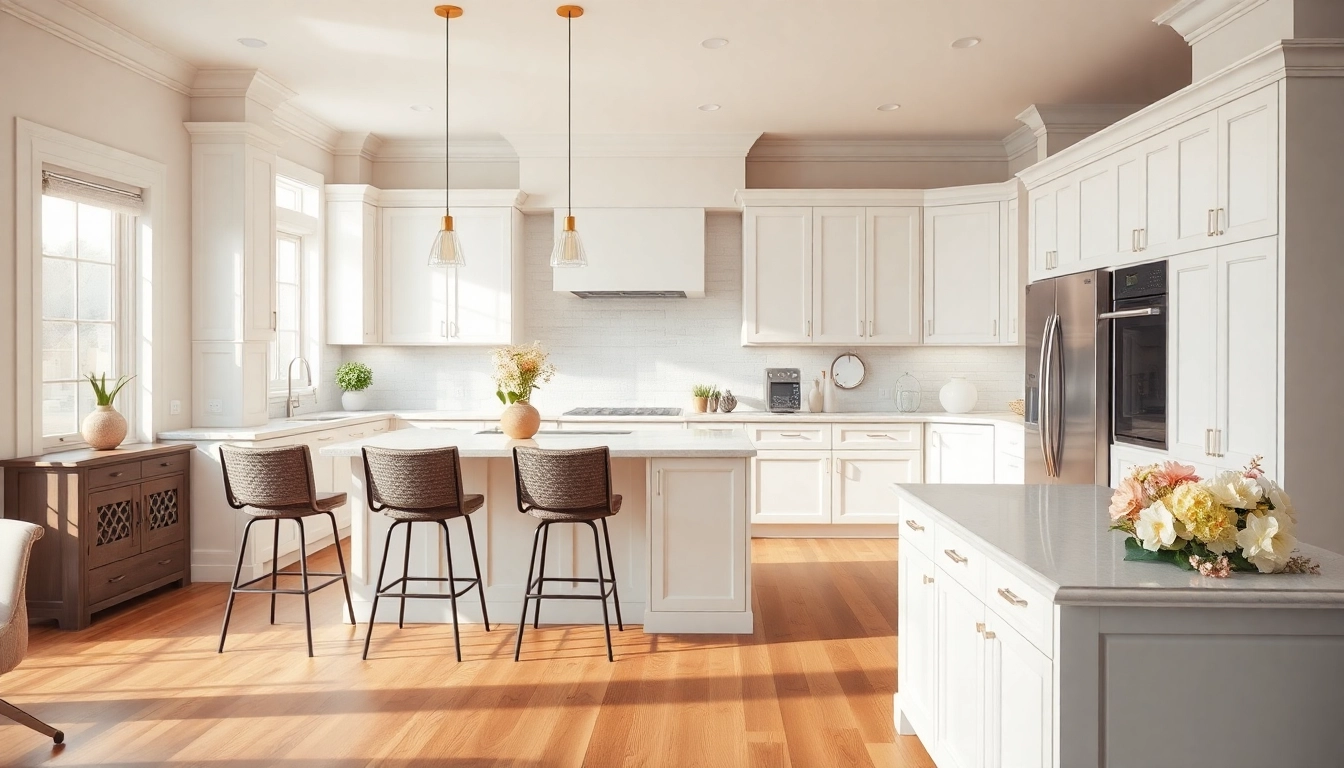
Understanding the Importance of Renovation
What is Renovation?
Renovation refers to the process of improving a broken, damaged, or outdated structure. For homeowners, it represents a revitalization of space, allowing for updated aesthetics and functionality. Whether it’s a simple repainting of walls or a comprehensive redesign of an entire floor, renovations breathe new life into living spaces. Engaging in a renovation is not only about enhancing appearances but also about increasing the value of one’s home and optimizing usability for modern lifestyles.
Benefits of Home Renovation
Home renovation brings a myriad of advantages that extend beyond mere aesthetics. Firstly, it significantly increases the property's value, which can yield high returns if you decide to sell. Secondly, it enhances energy efficiency through the installation of modern appliances and fixtures, saving homeowners money on utility bills. Thirdly, renovation can improve safety by addressing outdated features that pose hazards, such as old wiring or poorly designed layouts. Moreover, it provides a unique opportunity for personalization, allowing homeowners to create spaces that reflect their tastes and preferences. Finally, the psychological benefits of living in a renewed space cannot be overlooked; it can boost mood and well-being, contributing to a healthier atmosphere.
Common Types of Renovation Projects
Renovation projects can vary widely in scope, but some common types include:
- Kitchen renovation: Often the heart of the home, kitchens benefit greatly from modern appliances, updated cabinetry, and improved layouts.
- Bathroom renovation: Enhancing this private space can involve updating fixtures, tiles, and layouts for improved functionality and comfort.
- Basement finishing: Transforming unused space into functional areas like a home office, gym, or guest room.
- Whole-home renovation: A comprehensive approach to updating multiple areas of a home at once, improving overall coherence and style.
- Exterior renovation: Enhancements to curb appeal through siding updates, window replacements, or landscaping improvements.
Planning Your Renovation Project
Setting a Realistic Budget
Budgeting is arguably one of the most crucial steps in any renovation project. Homeowners must account for all potential costs, including materials, labor, permits, and unexpected expenses. A common rule of thumb is to allocate 10-20% of your budget for unforeseen expenses. It is also essential to prioritize your needs versus wants; while it’s tempting to go for luxurious finishes, focusing on the essentials may help keep costs manageable. Consulting with contractors during the planning phase can provide insights into realistic pricing and help set a budget that reflects current market conditions.
Designing Your Vision
Design is at the heart of any successful renovation. Homeowners should begin by gathering inspiration from various sources such as design websites, magazines, and even social media platforms like Pinterest or Instagram. Creating mood boards can help visualize the desired outcome and identify a consistent theme throughout the renovation. Collaborating with an interior designer can also be worthwhile, as they can provide professional insights and access to resources that may not be available otherwise. It is essential to ensure that the design harmonizes with the home’s original architecture while incorporating modern touches.
Selecting the Right Materials
The choice of materials can significantly affect the durability, appearance, and overall success of a renovation project. Homeowners should consider factors such as sustainability, maintenance requirements, and compatibility with existing structures when choosing materials. For instance, opting for energy-efficient windows or sustainable wood flooring can greatly enhance a home’s efficiency and comfort. It is advisable to seek materials that come with warranties and certifications, ensuring they meet safety standards while providing peace of mind regarding their quality.
Executing Your Renovation
Hiring Professionals vs. DIY
Deciding whether to hire professionals or undertake a DIY approach is a critical choice in the renovation process. While DIY can save money, it demands considerable time, effort, and experience. Many homeowners opt to handle minor projects themselves, such as painting or landscaping, but complex tasks, especially those related to plumbing and electrical systems, are best left to licensed professionals. Hiring contractors can streamline the renovation, as they bring expertise, efficiency, and the necessary tools that facilitate a smoother process. Conducting thorough research and checking references is vital when selecting qualified professionals for the job.
Managing Construction Timelines
Timelines are essential in any renovation project, influencing budget and resource allocation. Homeowners should establish a clear schedule of activities outlining key milestones and deadlines. Regular communication with contractors can help keep projects on track and allow for adjustments if unforeseen delays occur. Utilizing project management tools can provide an overview of progress, allocate tasks, and remind all parties of upcoming deadlines. It’s essential to anticipate potential delays, such as permits and weather conditions, to minimize disruptions to the overall timeline.
Ensuring Safety and Compliance
Safety should be a priority during any renovation. This includes complying with local building codes and regulations, which often require permits for structural changes. Homeowners should ensure that all work is carried out according to code to prevent future issues and ensure the safety of the home. Additionally, implementing safety measures such as proper ventilation, protective equipment for workers, and secure work areas can help prevent accidents and injuries during renovations. Regular audits of safety practices can further enhance the safety of the site.
Finishing Touches for Your Renovation
Incorporating Smart Technology
In an age where technology dominates, incorporating smart devices into your renovation can boost functionality and efficiency. Smart thermostats, lighting controls, and security systems not only make life easier but can also enhance a home's value. For example, smart home systems allow homeowners to control lighting, temperature, and security remotely, providing convenience and energy efficiency. Implementing these technologies can lead to long-term financial savings through reduced energy costs and improved home security.
Choosing the Right Color Scheme
The color scheme of a renovation plays a pivotal role in defining the space's atmosphere. Homeowners should consider colors that reflect their personal style while also staying true to the home's architectural features. Neutral colors tend to create a calming effect and can enhance the perception of space, while bold colors can add character and vibrancy. It's also important to factor in lighting; natural light can influence how colors appear throughout the day. Sample testing paints in small patches will help determine how colors fit with the overall design and natural light availability in each room.
Landscaping and Outdoor Spaces
Outdoor spaces are an extension of the home and should not be overlooked during renovations. Thoughtful landscaping can enhance curb appeal and create inviting areas for relaxation and entertainment. Elements such as pathways, gardens, outdoor furniture, water features, and lighting can elevate the aesthetic appeal and functionality of outdoor spaces. When renovating, homeowners should consider low-maintenance landscaping options that suit their lifestyle, ensuring they create a lasting impression without excessive upkeep. Establishing clear boundaries between outdoor living areas and the home's interior can also enhance flow and usability.
Maintaining Your Renovated Space
Regular Maintenance Tips
Post-renovation, ongoing maintenance is key to preserving the beauty and functionality of updated spaces. Homeowners should develop a regular maintenance schedule that includes tasks such as cleaning surfaces, checking for leaks, and inspecting appliances. Maintaining the exterior of the home is equally important; regular cleaning of gutters and siding can prevent costly repairs later. Additionally, considering seasonal upkeep activities, like winterizing pipes and summer gardening, ensures that the home remains in excellent condition throughout the year.
Upgrading with Trends
Home design trends are ever-evolving; integrating current trends can keep a renovation fresh and appealing. Homeowners should research the latest styles and innovations, focusing on those that resonate with their personal aesthetic while also appealing to wider audiences if resale is a consideration. Sustainability, open-concept spaces, and multifunctional furniture are notable trends that enhance living spaces. Increasingly, homeowners are also considering biophilic design, which incorporates natural elements, thereby enhancing both aesthetic appeal and emotional well-being.
Creating a Resale Strategy
If a home renovation is aimed at increasing resale value, it’s vital to develop a clear strategy from the beginning. This includes focusing on renovations that yield the highest return, such as kitchen and bathroom updates. Open floor plans continue to be attractive to buyers, as do energy-efficient upgrades and modern finishes. It’s also important to be mindful of neighborhood trends, ensuring that renovations are in line with the expectations of prospective buyers. Ultimately, maintaining high quality in materials and craftsmanship will contribute to improved resale value.
FAQs
What is the average cost of a home renovation?
The average cost varies widely based on the project scale, but expect between $10,000 to $50,000 for a typical whole-home renovation.
How long does a renovation typically take?
Renovation timelines can differ; minor remodels may take a few weeks, while major renovations could last several months depending on scope.
Do I need permits for my renovation?
Yes, many renovations require permits to ensure compliance with local building codes. Always check with local authorities before starting.
Can I live in my home during renovation?
It depends on the extent of the work; some renovations allow for partial living, but significant projects may necessitate temporary relocation.
What are the most valuable renovations?
Kitchen and bathroom renovations usually offer the best return on investment and can dramatically increase a home's value.