1. Introduction to Logistics
Logistics is a critical component of any business that involves moving goods, services, and information effectively and efficiently. It serves as the backbone of supply chain management, ensuring that the right products are delivered to the right locations at the right time. Within this intricate web of processes lies a multitude of activities that help streamline operations, reduce costs, and enhance customer satisfaction. By focusing on logistics, companies are better positioned to respond to market demands and improve their overall performance.
1.1 Definition of Logistics
Logistics encompasses the systematic planning, implementation, and control of the effective and efficient transportation and storage of goods, services, and information from their point of origin to the point of consumption. It involves numerous factors, such as inventory management, warehousing, and transportation strategies, interacting to ensure a seamless supply chain. According to the Merriam-Webster dictionary, logistics also refers to the aspect of military science dealing with the procurement, maintenance, and transportation of military matériel and facilities. This definition highlights logistics' importance across various domains, transcending mere business applications into broader sectors like defense and humanitarian aid.
1.2 Importance in Supply Chain Management
The logistics function is integral to supply chain management, which is the coordination of all activities involved in producing and delivering a product or service. Effective logistics enables businesses to maintain optimal inventory levels, respond quickly to changes in customer demand, and minimize operational costs. It contributes to improving overall efficiency and can lead to significant competitive advantages in the marketplace. For instance, Amazon's supply chain success is largely attributed to their advanced logistics capabilities, allowing them to provide fast shipping options that keep customers satisfied.
1.3 Historical Evolution of Logistics
The evolution of logistics can be traced back to military operations, where the efficient movement of troops and supplies was pivotal to wartime success. Over the years, as military strategies evolved, so did logistical frameworks to support them. Post-World War II, the private sector started to recognize the benefits of effective logistics, prompting businesses to adopt military logistics principles to enhance their supply chain operations. As globalization took center stage, logistics transformed into a comprehensive discipline involving transportation, technology, and inventory management, which continue to shape its future.
2. Key Components of Logistics
2.1 Transportation Logistics
Transportation logistics involves the planning and coordination of the movement of goods from one location to another. This process can utilize various modes of transport, including road, rail, air, and sea. The selection of an appropriate transport mode depends on factors such as cost, speed, and nature of the goods being moved. Companies often employ transportation logistics to optimize routes, reduce fuel consumption, and minimize delivery times. Advanced technologies, such as route optimization algorithms and telematics, play a crucial role in enhancing transportation efficiency.
2.2 Warehousing and Distribution Logistics
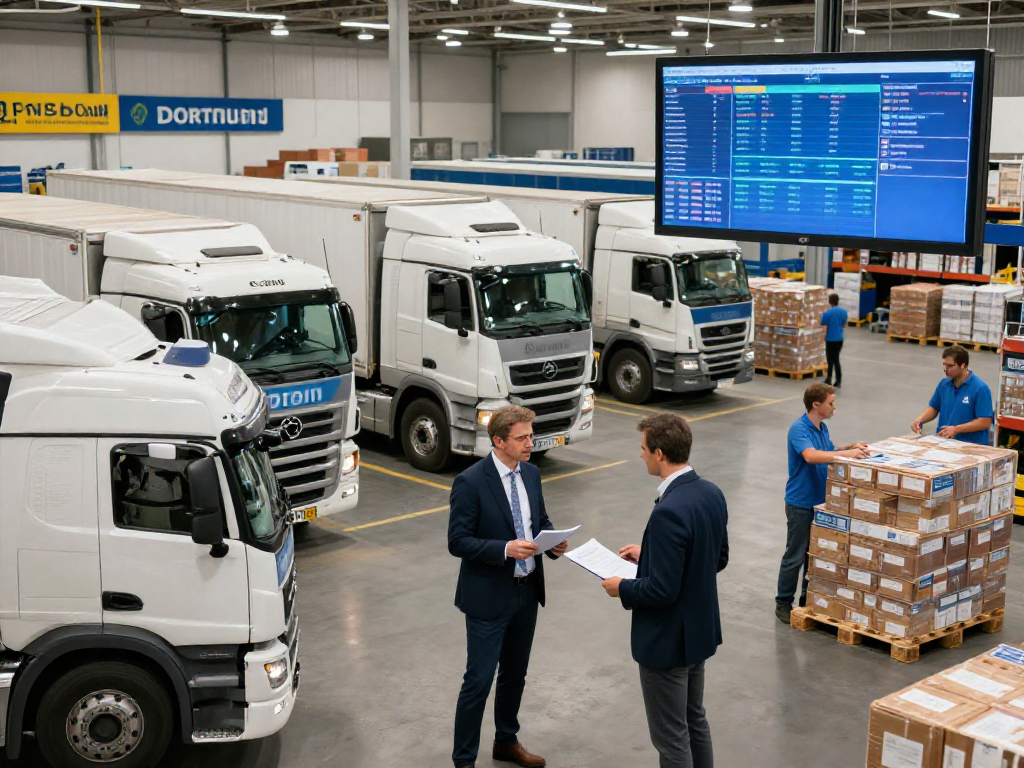
Warehousing logistics focuses on the storage of goods in strategic locations to ensure that they are readily available for distribution when needed. Efficient warehouse management includes employing appropriate facilities, inventory management systems, and staff training to streamline operations. Distribution logistics encompasses the movement of goods from warehouses to the final customers. This stage requires precise coordination and timing to ensure that products arrive in optimal condition. Effective warehousing and distribution logistics can contribute significantly to reducing lead times and improving customer satisfaction.
2.3 Inventory Management and Control
Inventory management is the systematic approach to overseeing and controlling stocked goods within an organization. It involves forecasting demand, monitoring stock levels, and ensuring that inventory is replenished in a timely manner. Effective inventory control helps companies prevent stockouts and overstock situations that can lead to lost sales and increased carrying costs. Techniques such as Just-in-Time (JIT) inventory, Economic Order Quantity (EOQ), and demand forecasting models are commonly employed to optimize inventory management practices.
3. Types of Logistics Services
3.1 Third-Party Logistics (3PL)
Third-party logistics refers to outsourcing logistics and supply chain management tasks to outside firms. This can include transportation, warehousing, and freight forwarding. Companies partner with 3PL providers to leverage their expertise, allowing them to focus on core business activities while benefiting from the efficiency that a specialized provider can offer. The use of 3PL services can lead to cost savings, increased flexibility, and improved service levels, which can ultimately enhance a company's overall operational performance.
3.2 Military Logistics
Military logistics is the planning and execution of the movement and support of forces. It includes various activities such as procurement, maintenance, and transportation of military materials and personnel. The efficiency of military logistics can often determine the success of operations, making it a distinct area of study within logistics. Lessons learned from military logistics have frequently been applied in the commercial sector to enhance supply chain efficiency, demonstrating the adaptability of logistics principles across different contexts.
3.3 Reverse Logistics
Reverse logistics involves the process of moving goods from their final destination back to the manufacturer for repair, refurbishment, or recycling. This aspect of logistics has gained significance in recent years as sustainability concerns have risen. Companies are increasingly focused on minimizing waste and maximizing resource recovery. Implementing effective reverse logistics strategies can lead to cost savings, improved product lifecycle management, and enhanced brand reputation. Businesses that embrace reverse logistics not only contribute to environmental sustainability but also capitalize on valuable resources that would otherwise be discarded.
4. Best Practices in Logistics Management
4.1 Technology Integration in Logistics
The integration of technology in logistics management has transformed traditional practices, enhancing efficiency and reliability. Technologies such as Warehouse Management Systems (WMS), Transportation Management Systems (TMS), and automation tools have streamlined operations. The Internet of Things (IoT), for instance, allows for real-time tracking of goods, providing visibility throughout the entire supply chain. By adopting these technologies, businesses can optimize processes, reduce costs, and improve customer service.
4.2 Performance Measurement and KPIs
Performance measurement is essential for managing logistics effectively. Key Performance Indicators (KPIs) serve as quantifiable metrics to assess the efficiency and effectiveness of logistics operations. Common logistics KPIs include order accuracy, delivery lead time, inventory turnover, and transportation costs. By regularly analyzing these metrics, companies can identify areas for improvement, streamline operations, and maintain a competitive edge in the market.
4.3 Risk Management Strategies
As logistics involves various variables and uncertainties, implementing effective risk management strategies is crucial. Businesses should identify potential risks throughout the logistics process, which could include supplier reliability, transportation delays, and regulatory changes. By developing contingency plans, creating a diversified supplier base, and continuously monitoring risk factors, organizations can mitigate potential disturbances in their logistics operations and ensure business continuity.
5. Future Trends in Logistics
5.1 Automation and AI in Logistics
Automation and artificial intelligence are shaping the future of logistics by introducing efficiency and precision to operations. Robotics are increasingly used in warehousing to pick and pack items, reducing human error and speeding up processes. AI algorithms analyze vast amounts of data to forecast demand, optimize routes, and enhance decision-making. This shift towards automation not only streamlines operations but also allows human workers to focus on more complex tasks that require analytical thinking and creativity.
5.2 Sustainable Logistics Practices
With climate change and environmental concerns taking center stage, the logistics industry is pressing towards sustainable practices. This includes optimizing transport routes to reduce emissions, using eco-friendly packaging materials, and implementing green warehousing practices. Companies are incorporating sustainability into their logistics strategies to meet regulatory requirements and respond to consumer preferences for environmentally responsible businesses. Integrating sustainability not only benefits the planet but can also improve an organization’s public image and overall efficiency.
5.3 The Impact of Globalization on Logistics
As businesses expand globally, the complexities of logistics management increase. Globalization introduces new challenges, such as diverse regulations, cultural differences, and varying transportation infrastructures. As companies seek to penetrate international markets, they must adapt their logistics strategies to navigate these complications effectively. Innovations in technology and logistics practices will continue to play a pivotal role in streamlining global supply chains, allowing businesses to operate efficiently in a competitive global marketplace.