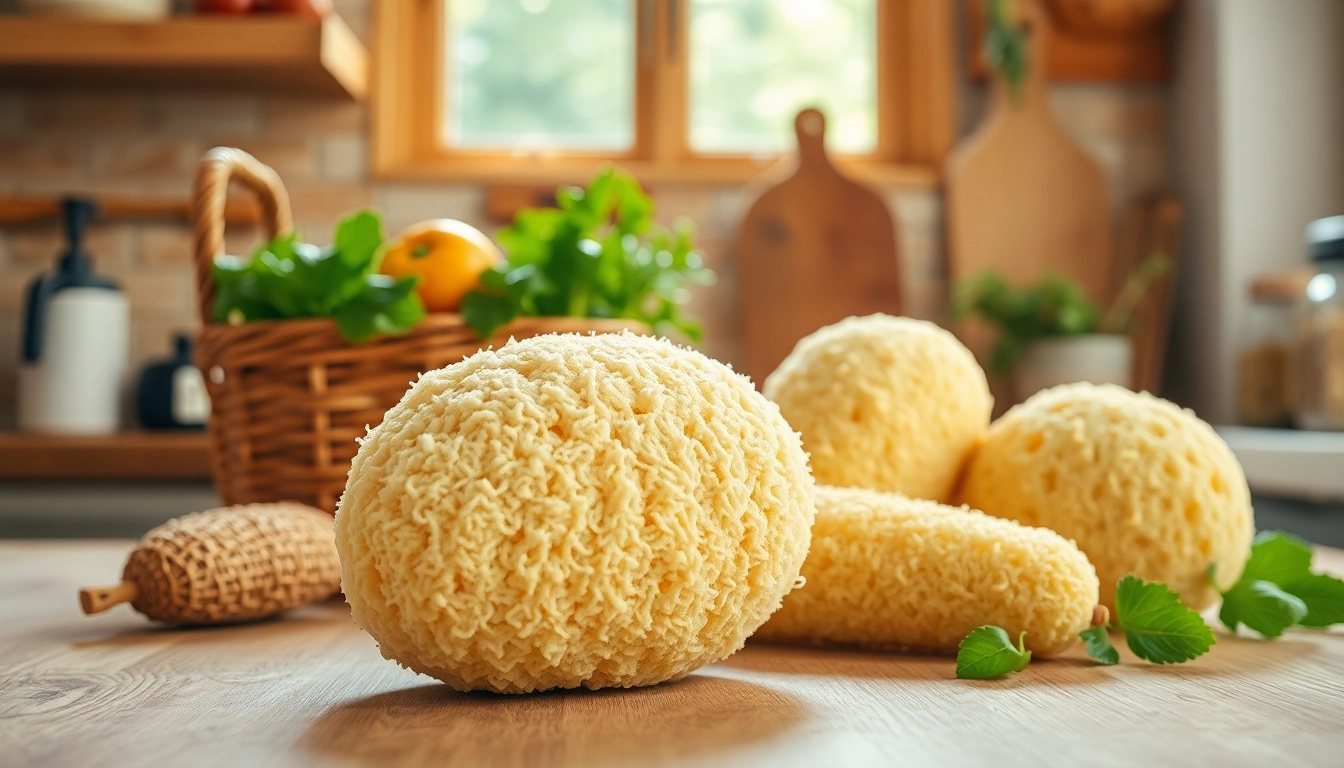
Understanding Kitchen Loofah Benefits
Loofahs have gained popularity beyond just bathing and skincare; they now play a significant role in showing off kitchen loofah benefits. These versatile and natural cleaning tools are making waves in kitchens around the world thanks to their eco-friendly and effective nature. In this article, we will delve deeply into the benefits a loofah can offer in a kitchen setting, from its physical building blocks to practical applications that promote health and hygiene.
What is a Loofah?
A loofah, also spelled loufa or luffa, is a fibrous tropical fruit belonging to the cucumber family, Cucurbitaceae. Once mature, the loofah is harvested, dried, and processed into a sponge-like texture that has a range of uses. Though commonly recognized as a bath accessory, loofahs are making a significant impact in kitchens due to their natural scrubbing capabilities. The fibrous nature of the loofah allows it to effectively clean surfaces without scratching, making it an ideal choice for various kitchen tasks.
Natural vs. Synthetic Loofahs
When it comes to loofahs, there are two primary types: natural and synthetic. Natural loofahs are derived from the loofah plant and are biodegradable, making them an excellent choice for environmentally-conscious consumers. They provide a gentle scrubbing effect, aiding in cleaning without causing damage to surfaces. On the contrary, synthetic loofahs are typically made from plastics and other synthetic materials. While they may have a longer durability period, their environmental impact is a critical concern, especially in the age of sustainability. Choosing natural loofahs may provide the kitchen with not just cleaning benefits but also align with eco-friendly practices.
How Loofahs Are Made
Loofahs undergo a straightforward yet fascinating manufacturing process. First, the loofah plant is cultivated and harvested. After harvesting, the fruit is allowed to fully ripen until its skin turns yellow and crisp. Once ripe, the outer skin is removed, and the fibrous interior is cleaned and dried. The dried loofah is then cut into sponges or left in its original cylindrical shape for various applications. The simplicity of this process is what makes loofahs an appealing option for consumers looking to make conscious choices in their cleaning routines.
Health Benefits of Kitchen Loofah
Exfoliation Properties
While exfoliation is commonly associated with skincare routines, it plays a significant role in maintaining kitchen hygiene. The natural exfoliating properties of a loofah can help remove residues and impurities from cooking utensils and surfaces, ensuring a cleaner cooking environment. This action not only promotes a fresher overall atmosphere in the kitchen but also reduces the risk of bacterial growth. Furthermore, the fibrous texture is gentle enough to clean delicate items, making loofahs an essential tool for any kitchen enthusiast.
Antimicrobial Qualities
Loofahs are not just about abrasion; they also have antimicrobial properties. Studies suggest that natural loofahs can inhibit the growth of certain bacteria when used properly. This capability arises primarily when loofahs are dried thoroughly after use, creating an inhospitable environment for bacterial growth. By using a kitchen loofah for cleaning surfaces and utensils, you can provide a level of hygiene that surpasses synthetic options, which may harbor germs due to their non-breathable material.
Eco-Friendly Cleaning Option
In a world increasingly focused on sustainability, using a loofah for cleaning provides a zero-waste alternative to traditional sponges, cloths, and synthetic scrubbers. Being compostable and biodegradable, kitchen loofahs break down naturally in the soil once they're no longer usable, contributing positively to the environment. In addition, their effective cleaning properties mean less reliance on harsh chemicals or cleaners, reducing both your kitchen's ecological footprint and exposure to potentially harmful substances.
Practical Uses in the Kitchen
Cleaning Fruits and Vegetables
One of the best uses for kitchen loofahs is cleaning fruits and vegetables. Using a loofah can help remove dirt, pesticides, and surface residues effectively, ensuring the produce is clean and safe for consumption. The gentle yet abrasive qualities of the loofah allow it to scrub away impurities without damaging the skin of delicate fruits and vegetables. This practice not only enhances food safety but also promotes healthy eating, as clean produce retains its nutritional integrity.
Dishwashing Alternatives
Kitchen loofahs serve as a remarkable alternative to traditional dishwashing sponges. Their natural fibers are excellent at cutting through grease and grime accumulated on dishes, pots, and pans. Unlike synthetic sponges, loofahs do not retain odors and can be easily sanitized by rinsing and drying out completely after each use. For households prioritizing an eco-friendly lifestyle, opting for a loofah can be a sustainable switch that promotes both cleanliness and environmental responsibility.
General Kitchen Cleaning
Beyond dishes and produce, kitchen loofahs can be utilized for general kitchen cleaning tasks. They can effectively smooth out sticky residues from countertops and sleek appliances, contributing to a spotless kitchen environment. Their fibrous nature not only picks up dirt effectively but also works well for scrubbing pots and cookware without scratching the surface. With their versatility, loofahs fulfill multiple cleaning purposes, making them an invaluable addition to any kitchen arsenal.
Maintaining Your Loofah for Maximum Benefits
Proper Cleaning Techniques
To maximize the benefits of your kitchen loofah, proper maintenance is crucial. After each use, rinse the loofah under hot water to remove food particles and debris. To deep clean, soak the loofah in a solution of vinegar and warm water for about 15-20 minutes, followed by thorough rinsing. Allow it to dry completely in a well-ventilated area to prevent moisture buildup that can lead to bacterial growth. Regular maintenance can ensure your loofah remains sanitary and effective.
When to Replace Your Loofah
It’s essential to recognize when your loofah has reached the end of its life cycle. Generally, a kitchen loofah should be replaced every few weeks, or sooner if it shows signs of wear and tear. Look for fraying edges, unpleasant odors, or a decrease in cleaning efficiency as indicators that it’s time for a replacement. Keeping track of your loofah’s condition is crucial for sustaining hygiene standards in your kitchen.
Storage Tips
Proper storage of your loofah can contribute significantly to its longevity and effectiveness. Store it in a well-ventilated area away from moisture to prevent mold and bacteria growth. Hanging the loofah, rather than placing it in a closed drawer or container, allows for airflow and helps it to dry out completely after use. Finding a dedicated spot for your kitchen loofah ensures easy access for cleaning tasks while maintaining a hygienic storage environment.
Frequently Asked Questions about Kitchen Loofah Benefits
Are Kitchen Loofahs Safe for Food?
Yes, kitchen loofahs are safe for food. Their natural fibers provide a hygienic solution for cleaning fruits, vegetables, and dishes when maintained properly.
How Often Should I Clean My Loofah?
It’s recommended to clean your loofah after each use. Deep cleaning it with vinegar occasionally keeps it sanitary and free from odor.
Can I Use a Loofah on Sensitive Skin?
Loofahs can be used on sensitive skin, but to avoid irritation, test on a small area first and use a gentler technique.
Are There Any Allergies Related to Loofahs?
Allergic reactions to natural loofahs are rare. However, if you have a known allergy to cucumbers or related plants, caution is advised.
What is the Lifespan of a Kitchen Loofah?
The lifespan of a kitchen loofah typically ranges from 2 to 4 weeks, depending on usage and maintenance. Regular inspections will help determine when to replace it.