
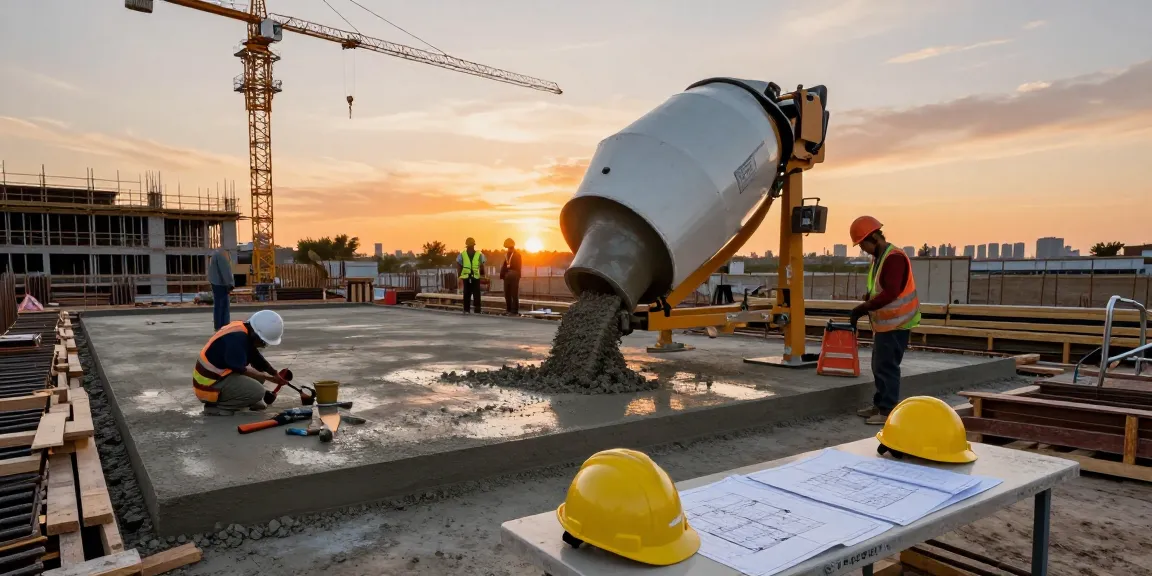
Understanding NAGA2000: The Future of Concrete Mixing
The construction industry is witnessing a transformative era marked by technological innovations that promise to enhance efficiency and quality. One of these groundbreaking advancements is the NAGA2000, a state-of-the-art concrete mixer designed to revolutionize the way concrete is mixed and applied. This article delves into the intricacies of NAGA2000, its benefits over traditional mixers, and best practices for its implementation on job sites.
What is NAGA2000 and How Does It Work?
NAGA2000 is an advanced concrete mixing system that integrates cutting-edge technology to optimize the mixing process. With a focus on automation and precision, this mixer employs a series of sensors and algorithms to ensure that every batch of concrete meets the desired specifications. Unlike traditional mixers, which often rely on manual adjustments, the NAGA2000 utilizes real-time data to adjust the mixing speed, water-to-cement ratio, and other parameters for each unique project requirement.
This technology significantly reduces human error, ensuring that batches are consistent in quality and performance. It also features an easy-to-use interface that allows operators to program specific mixes for different applications, making it a versatile choice for a wide range of construction projects.
Key Benefits of Using NAGA2000 in Construction
- Increased Efficiency: One of the most notable advantages of NAGA2000 is its ability to produce high-quality concrete in less time. With automated mixing processes, projects can progress faster, leading to reduced labor costs and quicker project completion.
- Consistency and Quality: The precision of the NAGA2000 ensures that every batch of concrete is mixed to the same specifications, reducing variability that can lead to issues such as cracking or weak spots in the finished product.
- Environmental Sustainability: NAGA2000 is designed to minimize waste by optimizing the use of materials, which aligns with the industry’s growing emphasis on sustainable construction practices.
- Cost Savings: While the initial investment in NAGA2000 may be higher than traditional mixers, the long-term savings from reduced material waste, labor costs, and project timelines can be significant.
Comparative Analysis: NAGA2000 vs. Traditional Mixers
When comparing NAGA2000 to traditional concrete mixers, several key differentiators emerge. Traditional mixers often rely on manual intervention for adjustments, which can lead to inconsistencies in the final product. NAGA2000, on the other hand, automates the mixing process, allowing for real-time adjustments based on environmental conditions and input materials.
Additionally, traditional mixers typically have a longer setup and mixing time. In contrast, NAGA2000’s advanced technology allows for rapid mixing cycles, which is crucial in high-volume projects where time is of the essence. The integration of technology also means that NAGA2000 is generally easier to operate, requiring less specialized training compared to traditional systems.
Best Practices for Implementing NAGA2000 on Job Sites
Safety Protocols When Using NAGA2000 Mixers
Implementing safety protocols is crucial when integrating any new machinery into construction workflows. For NAGA2000, it is important to ensure that all operators are adequately trained in its use. Safety features such as emergency shut-off switches and protective guards should always be fully operational and regularly maintained to prevent accidents.
Moreover, operators should conduct pre-use inspections to check for any abnormalities. Personal protective equipment (PPE) should also be mandatory on job sites where NAGA2000 is in use.
Efficient Workflow Strategies with NAGA2000
- Pre-Planning: Meticulously planning the sequence of job site operations can enhance the efficiency provided by NAGA2000.
- Real-Time Monitoring: Utilize the onboard diagnostics of NAGA2000 to continuously monitor performance and make adjustments on the fly.
- Regular Updates: Keep the equipment’s software updated to benefit from the latest performance improvements and safety features.
Maintenance Tips to Extend the Life of NAGA2000 Equipment
Routine maintenance is vital to ensure the longevity of the NAGA2000 mixer. This includes regular cleaning of components, checking fluid levels, and ensuring that moving parts are lubricated. Scheduled inspections should also be a part of the maintenance plan, allowing for early identification of potential issues.
Following the manufacturer’s recommendations for service intervals can drastically reduce the risk of breakdowns and prolong the equipment’s lifespan.
Real-World Applications of NAGA2000 in Construction
Case Studies: Successful Projects Using NAGA2000
Numerous construction projects have successfully utilized NAGA2000 to enhance their concrete mixing processes. For instance, a high-rise residential building in San Francisco benefited from the speed and consistency of NAGA2000, significantly reducing the time required for foundation work.
In another project, a large commercial complex utilized the mixer to provide specialized concrete mixes for decorative elements, showcasing the versatility of NAGA2000 in various applications.
Common Challenges and Solutions in NAGA2000 Usage
While NAGA2000 offers numerous advantages, some challenges can arise when implementing this technology. Initial resistance from traditionalists in the construction industry can impede integration. To overcome this, it is essential to highlight the tangible benefits through case studies and demonstrations.
Another challenge can be the upfront cost. However, stakeholders should focus on the long-term savings and efficiency gains that justify the investment.
Innovative Uses of NAGA2000 Beyond Traditional Concreting
NAGA2000 can be applied beyond conventional uses of concrete. For instance, it can produce tailored mixes for precast elements, which are becoming increasingly popular in modern construction. Additionally, its ability to work with various ingredients allows for the creation of eco-friendly concrete using recycled materials.
Architects and designers can leverage NAGA2000’s capabilities to create unique concrete formulations that meet specific structural and aesthetic requirements, thus pushing the boundaries of creativity in construction.
Measuring Success: Performance Metrics with NAGA2000
Key Performance Indicators for NAGA2000 Deployments
To assess the effectiveness of NAGA2000 in construction projects, several Key Performance Indicators (KPIs) should be monitored. These include:
- Mixing Time: Evaluating how quickly concrete can be produced.
- Batch Consistency: Measuring the uniformity of concrete between batches.
- Cost per Cubic Yard: Analyzing the overall cost-effectiveness of using NAGA2000 compared to traditional methods.
Evaluating Cost Efficiency in Projects
Cost efficiency can be evaluated through detailed project accounting that examines material costs, labor expenses, and project durations. By tracking these variables, stakeholders can determine how much using NAGA2000 has improved their financial outcomes.
Furthermore, considering the long-term benefits of reduced material waste and faster project completions can provide a clearer picture of overall cost savings.
Feedback Loops: Learning from Past NAGA2000 Deployments
Establishing feedback loops is vital for continuous improvement when using NAGA2000. After project completion, gathering input from site managers and operators can offer valuable insights into the mixer’s performance and any encountered challenges.
This feedback should be documented and reviewed regularly to inform future project plans and operational improvements.
Future Trends: The Evolution of Concrete Mixing by 2026
Technological Innovations Influencing Concrete Mixing
As we approach 2026, technological advancements are set to further shape the landscape of concrete mixing. Innovations such as artificial intelligence and machine learning could integrate even deeper into systems like NAGA2000, offering predictive mixing capabilities that anticipate environmental and material changes.
Moreover, advancements in automation are likely to streamline operations further, reducing the need for human intervention in more complex tasks.
Environmental Considerations in Future Concrete Solutions
As environmental concerns continue to grow, the construction industry is under pressure to adopt sustainable practices. NAGA2000 can evolve to incorporate more recycled materials and develop eco-friendly concrete alternatives that reduce the carbon footprint associated with traditional concrete production.
Strategies centered on zero-waste manufacturing principles could further enhance the environmental sustainability of concrete mixing processes.
Predictions: The Role of NAGA2000 in the Next Decade
Looking into the next decade, NAGA2000 is poised to become a standard in the concrete mixing industry. Its ability to adapt to new materials, improve efficiency, and enhance safety will likely make it a favored choice among contractors. As the industry becomes increasingly digitized, tools like NAGA2000 will facilitate smarter, more data-driven decision-making processes on job sites.
Ultimately, the future of concrete mixing will not just be about mixing materials—it’s about creating smart solutions that meet the challenges of modern construction.
What Makes NAGA2000 Different from Other Mixers?
The unique selling proposition of NAGA2000 lies in its combination of automation, precision engineering, and user-friendly design. Unlike other mixers that depend heavily on manual adjustments and monitoring, NAGA2000 offers an autonomous experience that guarantees consistency and quality across batches.
How to Choose the Right Concrete Mixer for Your Project?
Selecting the appropriate concrete mixer for a specific project involves assessing various factors such as project scale, required concrete types, and budget constraints. Evaluating the mixing capacity, functionality, and technology offered by mixers like NAGA2000 can help make informed decisions.
Can NAGA2000 Improve Project Timelines?
Yes, by automating and expediting the mixing process, NAGA2000 can significantly improve project timelines. Its efficiency allows for faster setup and turnover times, enabling construction teams to meet tight deadlines effectively.
Who Benefits Most from Using NAGA2000?
Contractors involved in large-scale projects, especially those requiring specialized concrete mixes, stand to benefit the most from employing NAGA2000. Additionally, companies focusing on sustainability and efficiency in operations will find significant advantages.
Are There Any Drawbacks to Using NAGA2000?
While NAGA2000 presents numerous benefits, potential drawbacks include the need for initial training for operators and a higher upfront cost compared to traditional mixers. However, the long-term advantages often outweigh these initial challenges.