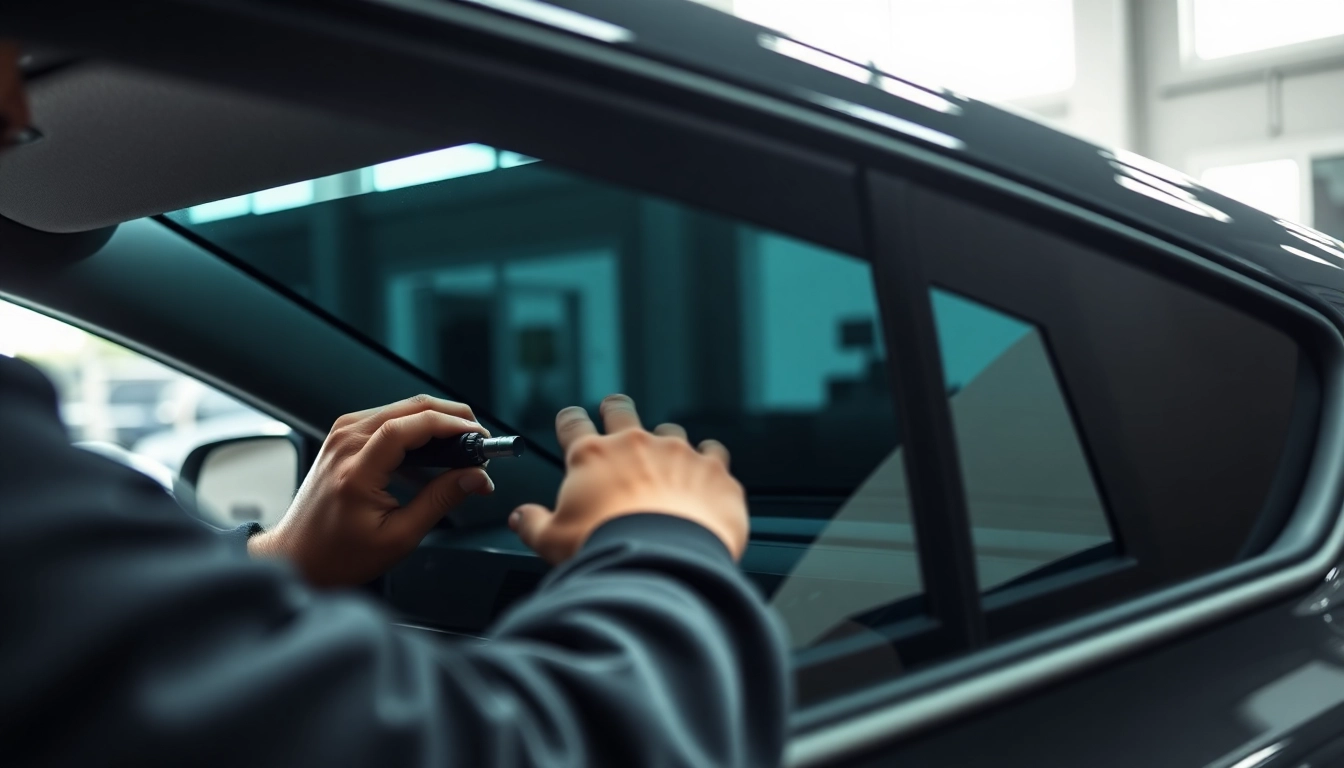
Understanding Window Tinting Cleveland TN
What is Window Tinting?
Window tinting refers to the application of a thin film to the windows of vehicles, homes, or commercial spaces. This film has varying degrees of transparency and provides several benefits, ranging from heat reduction to increased privacy. In Cleveland TN, window tinting not only enhances aesthetic appeal but also offers practical advantages, making it a popular choice among vehicle and property owners. For comprehensive options in this domain, explore window tinting Cleveland TN.
The Benefits of Window Tinting
Window tinting offers multiple advantages that contribute to a more comfortable and protected environment. Here are some key benefits:
- Heat Reduction: Tinted windows can significantly reduce the amount of heat entering a vehicle or room by blocking harmful UV rays, leading to decreased reliance on air conditioning.
- UV Protection: Window films can filter out up to 99% of UV radiation, which is essential for protecting both skin and furnishings from fading and damage.
- Enhanced Privacy: Tinted windows can provide increased privacy, making it difficult for outsiders to see inside, an especially appealing factor for vehicle owners and those residing in densely populated areas.
- Improved Aesthetics: The visual appeal of tinted windows can elevate the overall look of a vehicle or property, adding a sleek, modern appearance.
- Increased Safety: Tinted films can hold shattered glass together during an accident, providing an additional layer of safety for occupants.
Types of Window Tint Films Available
There are several types of window tint films that vary based on their composition and features:
- Dyed Window Film: A cost-effective option that absorbs solar heat, offering some privacy and aesthetic value without reflections.
- Metalized Window Film: Contains small metal particles that reflect heat and improve durability but may interfere with electronic signals.
- Ceramic Window Film: A premium option offering excellent UV protection and heat rejection without interfering with signal clarity.
- Hybrid Window Film: Combines both dyed and metalized films, providing a balanced approach in terms of cost and effectiveness.
Choosing the Right Window Tint
Factors to Consider
Selecting the appropriate window tint involves considering multiple factors tailored to your specific needs:
- Purpose: Whether for personal comfort, UV protection, or aesthetics, your primary purpose will dictate the type of tint necessary.
- Legal Regulations: Be aware of local regulations that determine allowable tint levels to ensure compliance.
- Climate: Consider your local climate and how much heat rejection you need for optimal comfort.
- Budget: Different tint types and professional installation rates can vary greatly; understanding your budget is crucial.
Legal Regulations in Cleveland TN
Each state, including Tennessee, has specific laws regarding window tinting. In Cleveland TN, for example, there are restrictions on the darkness of window films for vehicles. Front windshields must allow a certain percentage of light to pass through, typically around 70% for passenger vehicles. It's crucial to verify the latest local regulations to avoid fines and ensure compliance when choosing your tint.
Comparing Different Tint Shades
Window tint films come in various shades, typically ranging from the lightest (clear) to the darkest (charcoal). The choice of shade should reflect personal aesthetic preferences, compliance with legal regulations, and intended functionality. Choosing a medium shade often provides a good balance between privacy and visibility, while darker shades can enhance security without significantly compromising light entry.
Window Tinting Process Explained
Preparation Steps
The success of the window tinting process hinges on proper preparation. Key preparation steps include:
- Cleaning the Glass: Thorough cleaning is vital. Any contaminants or residues can lead to bubbles trapping underneath the film.
- Measuring Windows: Accurate measurements ensure that the film fits properly, avoiding wastage and maximizing effectiveness.
- Choosing Film Type: Based on previous discussions, selecting the appropriate film type and shade will set the stage for optimal results.
The Application Technique
The application of window tint requires precision and care. Here’s an overview of the standard procedure:
- Cutting the Film: Film is cut according to the measurements taken, ensuring a perfect fit.
- Applying the Film: A solution is typically sprayed onto the glass and the adhesive side of the film to position it correctly. The film is then carefully smoothed out to eliminate air bubbles.
- Trimming Edges: Any excess film is trimmed away to ensure a neat finish, leaving no spaces for peeling or bubbling.
Post-Application Care
After the installation of window tint, proper care and maintenance is essential for longevity:
- Allow a curing period for the film to bond correctly; this usually ranges from a few days to a week.
- Handle the tinted windows with care; avoid rolling down windows for a specified period to prevent lifting.
- Use microfiber cloths for cleaning, steering clear of ammonia-based cleaners that can damage the film.
Common Questions About Window Tinting Cleveland TN
How Long Does Window Tint Last?
Quality window tint can last anywhere from five to fifteen years, depending on the type of film used and environmental conditions. Regular maintenance enhances its longevity.
Can You Remove Window Tint Yourself?
While it’s possible to remove window tint yourself using heat methods or adhesive removers, it’s often best left to professionals to avoid damaging the glass or leaving residue.
What is the Cost of Window Tinting?
The cost of window tinting varies based on the type of film, window size, and professional installation. Typically, costs range from $200 to $600 for vehicles and more for larger projects like homes.
Window Tinting Maintenance and Longevity
Best Practices for Care
To ensure your window tint maintains its appearance and functionality, adopt these best practices:
- Use soft cloths and non-abrasive cleaners specifically designed for tinted films.
- Regularly inspect the tint for any bubbling or lifting, which could require professional intervention.
- Avoid exposing new installations to extreme temperatures to allow sufficient bonding time.
Signs Your Tint Needs Replacement
Over time, window tint may show signs of wear. Look for:
- Fading or discoloration of the film.
- Bubbles or peeling at the edges, indicating adhesion issues.
- Visible scratches or damage that compromises UV protection.
Benefits of Professional vs. DIY Tinting
While DIY tinting can save money, there are significant advantages to hiring professionals:
- Expertise: Professionals are trained to apply films correctly, minimizing errors and ensuring compliance with legal standards.
- Quality Materials: They typically have access to higher-quality tint materials that offer better durability and performance.
- Warranty: Many professional installations come with warranties, giving peace of mind regarding potential future issues.
Frequently Asked Questions
What should I know before getting window tint?
Before getting window tint, understand local laws, the purpose of tinting, costs, and proper maintenance for longevity.
Can I remove damaged window tint myself?
You can remove damaged tint yourself, but caution is advised. Incorrect removal can lead to glass damage or leftover adhesive.
Is window tinting worth the investment?
Yes, window tinting is typically a worthwhile investment for its benefits such as enhanced privacy, heat rejection, and UV protection.
How long does the tint need to cure?
The window tint curing process generally takes a few days to a week, but it depends on climate and application methods used.
Is window tinting safe for my vehicle?
Yes, window tinting is safe for vehicles. Properly installed tint strengthens glass, enhances UV protection, and reduces glare.