The Essence of Technology
Definition and Scope of Technology
Technology encompasses a broad domain, referring to the systematic application of knowledge and skills to achieve practical goals. It serves various purposes, including manufacturing products, improving processes, and creating services that enhance human life. Defined in many contexts, Technology can be seen as the complex interplay between innovation, science, and practical application. At its core, it represents humanity's pursuit of progress through the creative and effective application of knowledge.
According to the Technology definition, it is not just about the tools or devices we interact with but includes the methodologies and practices developed to improve efficiency, productivity, and connectivity among individuals and organizations. This multifaceted nature of Technology is essential for understanding its influence on society and the environment.
Historical Evolution and Milestones in Technology
The history of Technology stretches back thousands of years and can be categorized into different eras that reflect human advancement. From the use of simple tools by early humans to the advent of the steam engine during the Industrial Revolution, each technological milestone has fundamentally altered the way humans interact with their environment and each other.
Early innovations, such as the wheel and farming techniques, set the stage for agrarian societies, while the invention of electricity paved the way for modern industrialization. The 20th century, marked by remarkable achievements like the development of computers and the internet, represented an exponential increase in technological advancement. Each of these milestones reflects a particular concern or necessity, driving the rapid expansion of capabilities in communication, transportation, and production.
The Role of Technology in Everyday Life
Today, Technology is deeply ingrained in our daily routines. From smartphones to smart homes, technology enhances the way we communicate, work, and live. In personal life, individuals rely on various applications to manage health, finance, and social interactions. On a broader scale, businesses utilize Technology for operational efficiency, resulting in improved customer service and streamlined processes.
Moreover, in education, Technology has transformed how knowledge is disseminated and accessed. E-learning platforms and digital resources have democratized education, making information accessible to a wider audience. The influence of Technology permeates every sector, guiding the evolution of cultural practices and societal norms.
Types of Technology
Information Technology and its Applications
Information Technology (IT) represents one of the most pivotal areas of Technology, encompassing the use of systems for storing, retrieving, and sending information. IT applications are central to modern business practices, enabling tasks from data analysis to cloud computing and cybersecurity.
In recent years, the rise of big data analytics and artificial intelligence has further revolutionized the field of IT, facilitating more informed decision-making processes. Businesses leverage these tools to forecast market trends, enhance customer engagement, and optimize their operations.
Beyond the corporate environment, IT plays a critical role in education, healthcare, and entertainment, empowering individuals and organizations to access vast stores of knowledge and resources instantaneously.
Communication Technology Overview
Communication Technology has drastically altered the ways in which people connect with one another. From traditional telephony to instant messaging apps and video calls, advancements in this realm have effectively reduced the barriers of distance and time.
The introduction of social media platforms also represents a significant evolution in communication Technology, reshaping social interactions and creating new avenues for sharing information. These technologies not only facilitate personal relationships but also serve as channels for businesses to market their products and engage with consumers directly.
As we look to the future, Communication Technology continues to evolve, with innovations like 5G networks promising faster and more reliable connections that will support further advancements in smart devices and IoT (Internet of Things) applications.
Measuring the Impact of Industrial Technology
Industrial Technology encompasses processes, machinery, and equipment used in manufacturing and production. The impact of these technologies is profound, playing a critical role in driving productivity and economic growth.
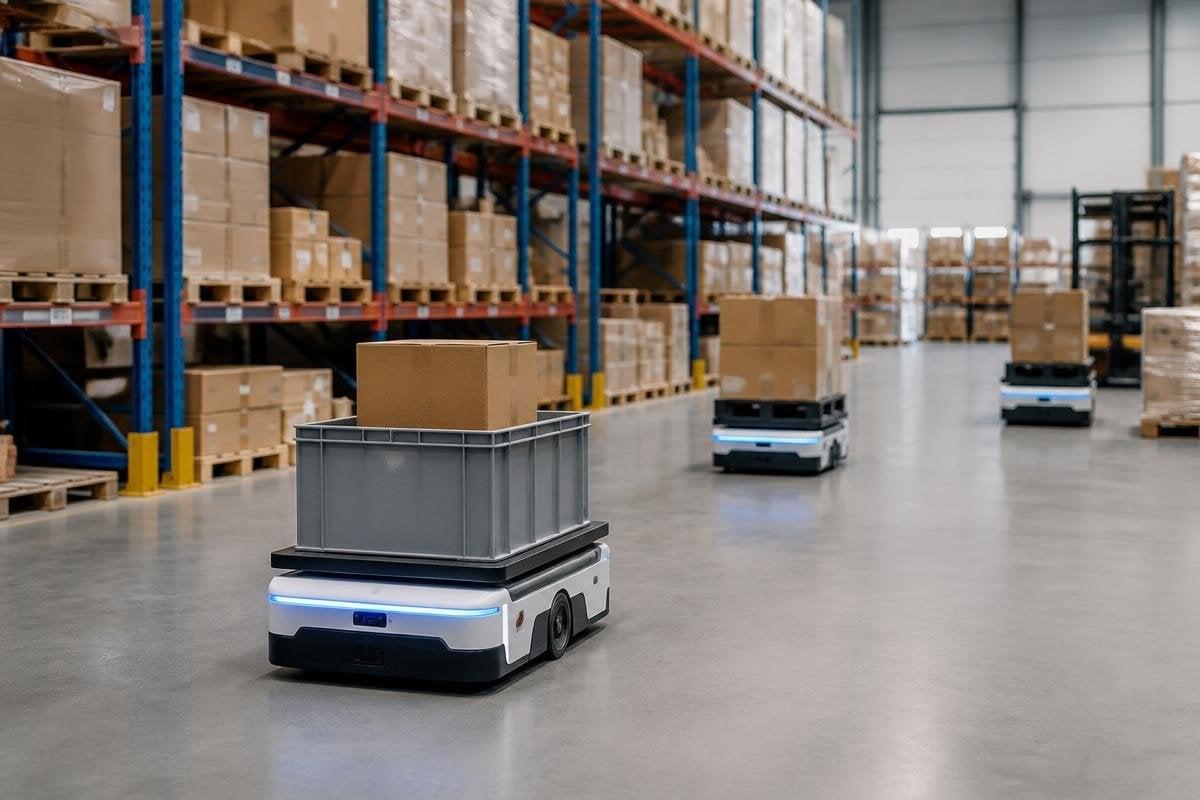
Key performance metrics in this area include efficiency rates, production output, waste reduction, and safety improvements. With the adoption of automation and robotics, industries can achieve higher levels of precision and consistency in product manufacturing, leading to reduced costs and increased profitability.
The evolution of smart factories, where interconnected machines and AI systems optimize production pathways, showcases the future potential of Industrial Technology. By integrating data analytics into manufacturing processes, companies can respond more swiftly to market demands and enhance their overall competitiveness.
Benefits of Technology in Modern Society
Enhancing Productivity and Efficiency
One of the most significant benefits of Technology is its ability to enhance productivity and efficiency across various sectors. Automation tools, software applications, and advanced machinery enable individuals and organizations to accomplish tasks more swiftly and accurately.
Implementing project management systems and workflow automation can minimize bottlenecks, streamline processes, and improve time management. In sectors like manufacturing, leveraging robotics for repetitive tasks not only boosts output but also allows human workers to focus on more complex and creative functions.
Improving Quality of Life through Health Technology
Health Technology is revolutionizing the medical landscape. Innovations like telemedicine, wearable health devices, and electronic health records enhance patient care and accommodate the growing need for remote healthcare options.
By using technology for real-time health monitoring, patients can manage chronic conditions more effectively, leading to improved health outcomes. Additionally, advancements in medical research facilitated by technology enable more precise diagnostics and individualized treatment plans, enhancing the overall quality of life for patients.
Fostering Connectivity and Globalization
Technology fosters global connectivity, breaking down barriers between societies and cultures. The internet allows instantaneous information sharing, facilitating collaboration across geographical boundaries. Businesses can operate on a global scale, reaching audiences worldwide with relative ease.
This interconnectedness fosters cultural exchange, enabling people to learn from one another and share innovations that can lead to social progress. While challenges remain in terms of inequality and access, the potential of Technology to unite people is unprecedented.
Challenges and Risks Associated with Technology
Privacy and Security Concerns
As we become increasingly dependent on Technology, privacy and security concerns grow more pronounced. With extensive personal data being collected, stored, and analyzed, the potential for misuse or breaches becomes a critical issue.
Organizations must invest in strong cybersecurity measures to protect sensitive information and comply with privacy regulations. Individuals also need to educate themselves about data privacy rights and adopt best practices for safeguarding their personal information online.
The Digital Divide and Access Inequality
The rapid pace of Technology development has led to disparities in access, creating a digital divide where certain populations lack the resources to benefit from modern advancements. Factors such as geography, economic status, and education heavily influence access to Technology.
Addressing this inequality is essential for ensuring that the benefits of Technology are widely shared. Initiatives focusing on improving digital literacy and providing access to necessary tools can help bridge this gap.
Environmental Impact of Technological Advancements
While Technology has the capacity to enhance efficiency and productivity, it can also have detrimental effects on the environment. The production, usage, and disposal of technological devices often lead to significant resource consumption and waste generation.
Efforts to mitigate this impact include the design of sustainable products, recycling initiatives, and fostering a circular economy that emphasizes reusing and repurposing Technologies. Innovative solutions and responsible practices are critical to ensure that technological progress does not come at the expense of environmental health.
The Future of Technology
Emerging Technologies Shaping Our World
The future of Technology is promising, with emerging trends like quantum computing, blockchain, and biotechnology poised to redefine various sectors. Quantum computing, for instance, has the potential to revolutionize data processing capabilities, making possible computations that were once deemed impractical.
Blockchain technology, known for its secure digital ledgers, is set to transform industries ranging from finance to supply chain management, fostering transparency and trust. As these and other emerging Technologies develop, society must adapt to harness their benefits responsibly.
Integration of Artificial Intelligence in Daily Life
Artificial Intelligence (AI) is rapidly integrating into daily life, impacting industries from healthcare to entertainment. AI applications enhance personalization and improve decision-making processes by analyzing vast amounts of data more quickly than human capabilities allow.
While the incorporation of AI promises remarkable efficiencies, it also raises ethical questions about transparency and accountability. Balancing innovation with ethical considerations will be vital in shaping policies and frameworks that guide AI deployment.
How Policy and Ethics Will Define Technology Usage
The future landscape of Technology usage will be heavily influenced by policy decisions and ethical considerations. As Technologies continue to evolve rapidly, regulatory frameworks must keep pace to address questions around privacy, security, and equitable access.
Stakeholders, including governments, organizations, and civil societies, must collaborate to establish ethical guidelines and best practices that promote responsible Technology use. Striking the right balance between innovation and societal impact will shape how Technology fortifies human progress moving forward.